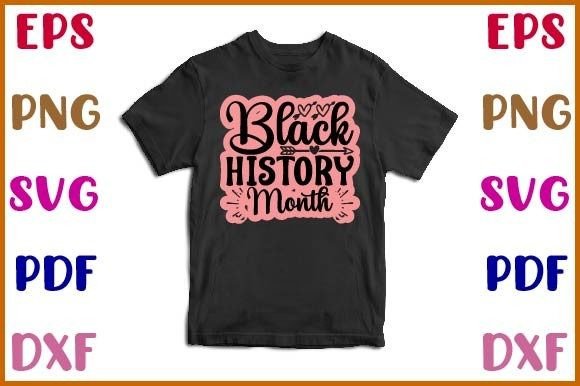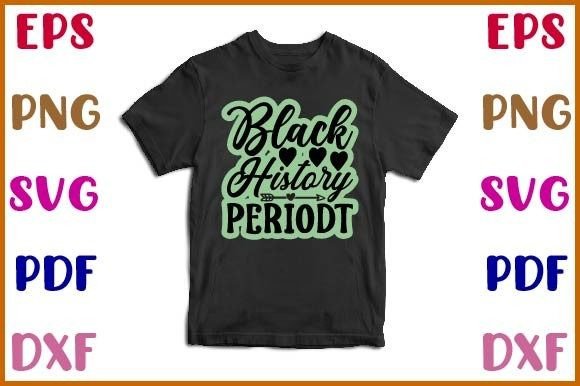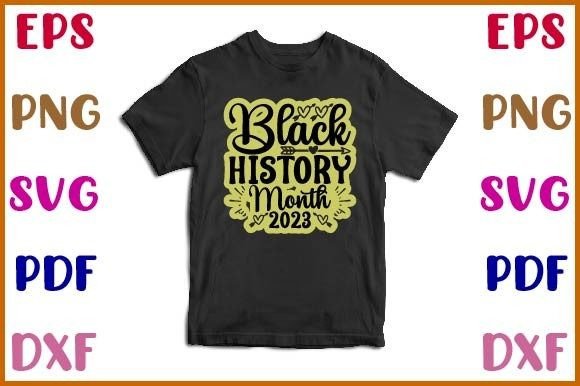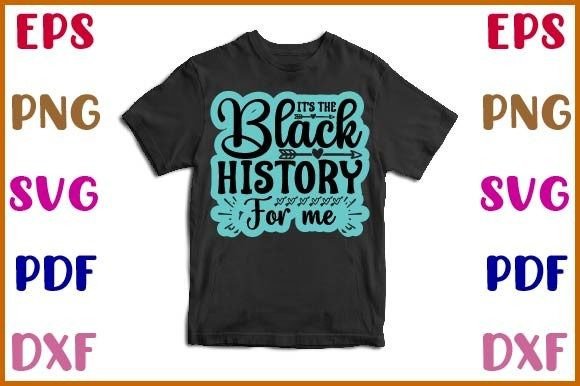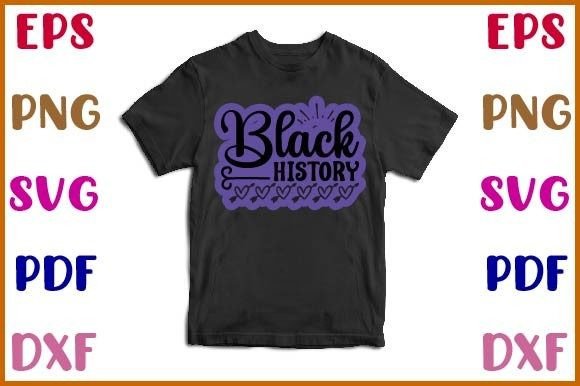
Black History Sticker Design Embroidery Review
As a designer who spends more time than I care to admit staring at stitch charts and fabric swatches, I don’t just look for "pretty" designs. I look for viability. When Black History Sticker Design landed on my desk for evaluation, my first instinct wasn’t to immediately add it to my commercial catalog, but to ask: does this translate well from a flat digital graphic into a tactile, stitched reality? This is not just another generic SVG; it carries a specific visual weight that demands careful consideration before it ever touches a hoop.
The First Impression: Mood and Visual Personality
The immediate takeaway from Black History Sticker Design is its bold, graphic nature. The term "sticker" in the title suggests a die-cut aesthetic—clean edges, high contrast, and a sense of permanence. For an embroidery project, this translates to a design that likely relies heavily on solid shapes rather than intricate, wispy details. This is crucial because it tells me right away that this design will perform exceptionally well as an applique design or a dense fill stitch composition.
Mood-wise, it feels celebratory yet grounded. It doesn’t scream for attention with chaotic patterns; instead, it commands respect through clarity. In the world of handmade products, particularly those tied to cultural heritage and history, there is a fine line between cliché and authentic representation. This design seems to lean toward the latter by utilizing strong, recognizable forms. It feels like something you would want pinned to a denim jacket or stitched onto a canvas tote bag—not as a fleeting trend, but as a statement piece.
Real-World Application: From Screen to Stitch
Let’s talk about where this actually lives. I recently had a client request a custom embroidered tote bag for a small business merchandise drop, specifically targeting a boutique audience looking for meaningful gifts. Black History Sticker Design came to mind immediately. Why? Because the sticker-like shape creates a natural focal point that works beautifully on the front pocket of a tote or centered on the chest of a sweatshirt.
Imagine this: a heavy-duty cotton canvas tote bag. You place Black History Sticker Design right in the center. If you use a contrasting thread color—perhaps a crisp white or a vibrant gold against a black background—the "sticker" effect pops. It mimics the look of a vinyl decal but adds the texture and prestige of embroidery. Customers perceive embroidered items as higher value than printed ones. There is a tactile quality to embroidery that says, "I made this," which builds trust and encourages purchase, especially for Etsy sellers and craft fair vendors.
However, the versatility extends beyond totes. Consider a baby onesie or a nursery pillow cover. The clean lines of the design ensure it doesn’t become overwhelming when scaled down. It maintains its integrity even in smaller hoop sizes, making it a versatile choice for personalized gifts. For holiday embroidery projects, where buyers are looking for unique, non-mass-produced items, this design offers a sophisticated alternative to traditional seasonal motifs.
Technical Performance and Fabric Considerations
No matter how beautiful a design looks on screen, its success depends on execution. Here is where the practical side of being an embroidery designer comes into play. Black History Sticker Design appears to have distinct boundaries, which is excellent for satin stitch work. Satin stitches provide that smooth, glossy finish that enhances the "sticker" illusion. However, if the design includes text or very thin elements, we need to be cautious.
I strongly advise testing this design on scrap fabric before committing to your final product. Pay close attention to the stitch density. If the design is too dense for the fabric you are using, it can pucker, especially on lightweight materials like thin cotton or stretchy knits. For custom apparel like t-shirts or caps, you must use a proper stabilizer. A cut-away stabilizer is often best for maintaining the structure of the design over time, ensuring that the Black History Sticker Design doesn’t distort after washing.
Thread color contrast is another critical factor. On dark fabric, the design needs bright, opaque threads to stand out. On light fabric, darker threads might get lost if the design relies on subtle shading. I recommend creating a black and white mockup of the design to check its silhouette. If the shape remains recognizable without color, it’s a strong candidate for embroidery. Also, inspect the corners. If the design has sharp angles, ensure your machine can handle them cleanly without thread breaks.
Where to Use It Carefully
While Black History Sticker Design is robust, it isn’t suitable for every surface. Avoid placing it on highly textured fabrics like bouclé or thick wools unless you are using a heavy stabilizer and possibly a backing layer. The uneven surface can cause needle deflection, leading to misaligned stitches. Similarly, curved surfaces like baseball caps require careful hooping techniques to prevent distortion. If the design includes tiny lettering or intricate details, test it in a small hoop size first. If the details disappear or merge together, the design may be too complex for that scale.
Impact on Brand and Product Value
For creative entrepreneurs and small shop owners, every element of your product contributes to your brand identity. Using a high-quality machine embroidery design like this elevates your perceived value. It signals professionalism and attention to detail. When a customer receives a personalized gift with Black History Sticker Design stitched neatly into the fabric, they are buying more than just an item; they are buying a piece of art that honors heritage.
This design also lends itself well to commercial embroidery projects. Whether you are creating a line of embroidered patches, aprons for home cooks, or decorative pillow covers, the design’s versatility allows it to fit seamlessly into various categories. It works equally well as a standalone piece or as part of a larger collage. For digital product sellers, offering this as part of a bundle with other design assets can increase appeal, provided the licensing terms allow for such combinations.
Practical Designer Notes for Success
To ensure your finished product meets the highest standards, follow these steps:
- Test First: Always run a test stitch on the exact fabric and stabilizer you plan to use. This saves time and material in the long run.
- Check Hoop Size: Confirm that the design fits within your intended hoop size. Scaling up or down too much can alter the aspect ratio and ruin the "sticker" look.
- Review Stitch Types: Identify areas of running stitch versus fill stitch. Running stitches are great for outlines, while fill stitches provide body. Ensure the balance suits your fabric.
- Consider Thread Quality: High-quality polyester or rayon thread will enhance the sheen and durability of the design. Cheap thread can break easily and look dull.
- Verify Licensing: Before selling any finished items or digital previews, double-check the usage rights. Some files are for personal use only, while others permit commercial sales. Clarity here protects your business.
In conclusion, Black History Sticker Design is a strong contender for any embroiderer looking to add depth and meaning to their projects. Its clean aesthetic and adaptable nature make it suitable for a wide range of applications, from personal gifts to boutique merchandise. By paying attention to technical details like fabric choice and stitch density, you can transform this digital file into a stunning, tangible product that resonates with customers. It’s not just about stitching a shape; it’s about crafting a story that people want to wear and display.