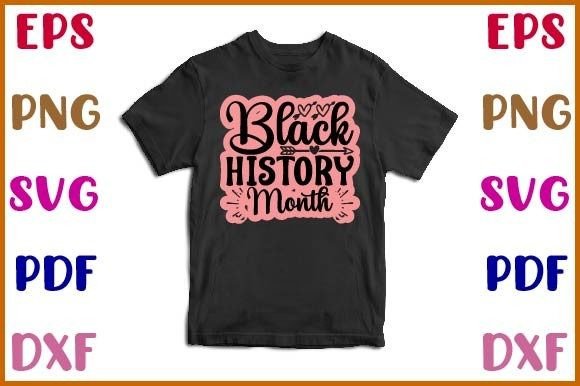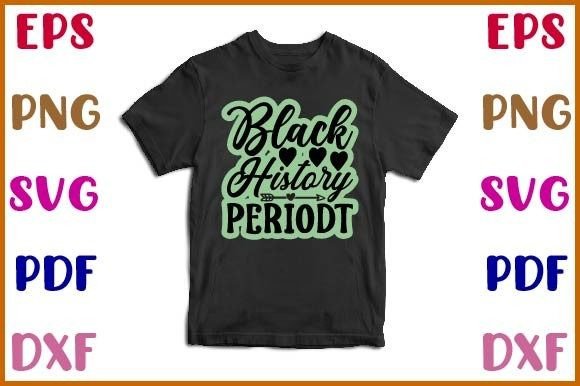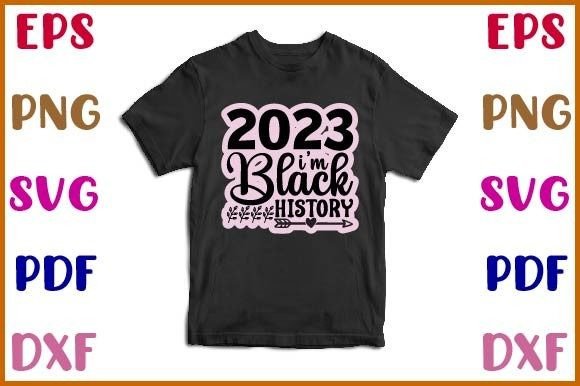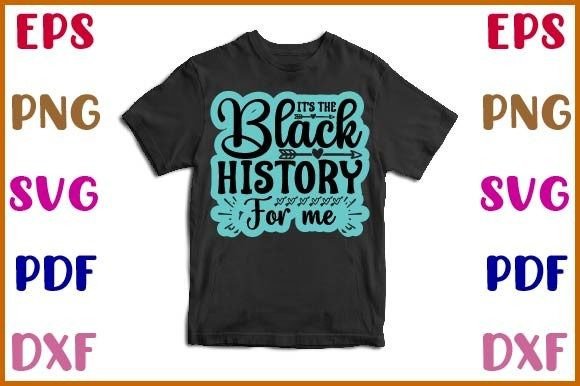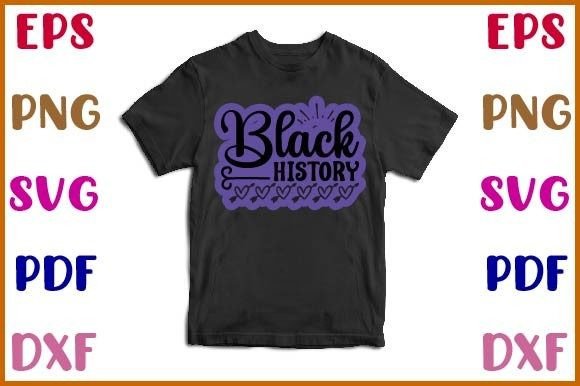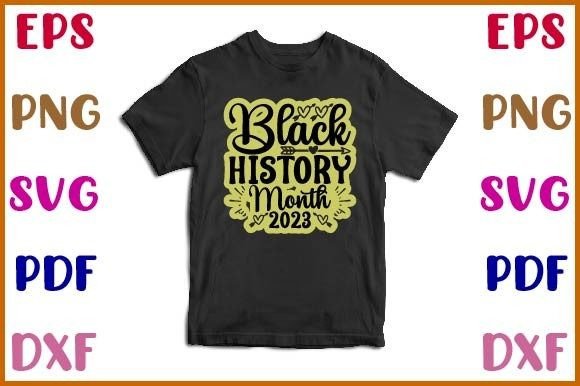
Black History Month 2023 Sticker Design Review
As a designer who spends more time staring at stitch charts and fabric swatches than most people spend sleeping, I have developed a pretty keen eye for what actually works in real-world embroidery. There is a huge difference between a design that looks good on a screen and one that holds up under the tension of an embroidery machine hoop. When I first pulled up the Black History Month 2023 Sticker Design, my initial reaction was one of cautious optimism. The concept is timely, the theme is powerful, but as someone responsible for producing finished goods for clients and craft fairs, I need to know if this embroidery file can translate from a digital vector into a tangible, high-quality product without falling apart.
This review isn’t just about aesthetics; it’s about practical application. I am evaluating this asset not as a casual hobbyist, but as a professional looking to integrate it into a line of custom apparel, boutique merchandise, or personalized gifts. Let’s break down how this design performs when we move from the screen to the needle.
First Impressions and Visual Personality
The moment you load the Black History Month 2023 Sticker Design into your digitizing software, the layout speaks to its intended use. It carries the bold, graphic energy of a sticker, which suggests it is designed for high visibility. In the world of machine embroidery design, "sticker-like" graphics often rely on strong outlines and clear separation between elements. This design appears to leverage that approach, creating a distinct visual personality that stands out against various backgrounds.
Mood-wise, it feels celebratory yet grounded. For an Etsy seller or small shop owner, this kind of thematic resonance is crucial. Customers aren’t just buying a shirt; they are buying into a message. The design’s clean lines suggest it will read well even from a distance, which is a critical factor for craft fair products where foot traffic is fast and attention spans are short. The visual weight of the artwork suggests it would pair beautifully with dark denim or rich black fabrics, allowing the thread colors to pop without competing with a busy pattern.
Real-World Application: Where This Design Shines
I spent some time mentally mapping out where this embroidery project would fit best in a current production run. My first scenario was a batch of custom embroidered tote bags for a local community event celebrating heritage and history. The durability of canvas makes it an ideal candidate for this type of graphic. The design’s structure seems robust enough to withstand the friction of daily use, provided the stitching is executed correctly.
Another strong contender for this design is sweatshirt embroidery. Think heavy cotton fleece in navy or charcoal. The contrast potential here is excellent. A well-executed satins stitch outline around the sticker shape would give it a premium, tactile feel that customers love. It transforms a standard hoodie into a statement piece, perfect for personalized gift orders during the holiday season or specific awareness months.
I also see potential in baby embroidery items, such as muslin blankets or bibs. However, this requires a softer touch. If the design allows for reduced density, it could work wonderfully for a nursery decor line. The playful nature of a "sticker" motif often translates well to children’s wear, making it a versatile asset for makers who specialize in handmade product lines for infants. Additionally, for commercial embroidery projects like branded aprons for cafes or kitchen towels, this design adds a layer of cultural relevance that elevates simple utility items into meaningful keepsakes.
Technical Considerations and Potential Pitfalls
While the design has strong potential, no digital embroidery file is without its challenges. One area that demands careful scrutiny is the handling of small details. Many sticker-inspired designs include tiny text or intricate inner cutouts. If these elements are too fine, they risk merging together during the stitching process, resulting in a muddy, unclear image. I always advise testing the design in black and white mockups to check legibility before committing to expensive threads.
Fabric texture is another major factor. On highly textured fabrics like bouclé or thick waffle knits, the precision of this design might get lost. Similarly, stretchy fabrics require a stabilizer strategy that is far more aggressive than what is needed for woven cotton. If you are attempting this on a tote bag design made of thin, sheer material, you will likely encounter puckering unless you use a tear-away stabilizer effectively. Always test on scrap fabric first to gauge how the stitch density interacts with your specific cloth.
Dark fabrics present their own set of decisions. While contrast is key, using light threads on dark backgrounds can sometimes lead to a "halo" effect if the underlay stitches are not properly configured. Conversely, using dark threads on dark fabric might make the design disappear entirely. You must carefully select your thread colors to ensure the design remains visible and impactful. This is especially true for embroidered patch applications where the edges need to be crisp and defined.
Specific Use Cases to Approach with Caution
- Caps and Hats: Curved surfaces can distort straight lines. Ensure the design is balanced so it doesn’t look skewed when wrapped around the front panel of a cap.
- Tiny Lettering: If the design includes small slogans, verify that the font size is large enough to be readable after stitching. Tiny text often fails in embroidery.
- Dense Stitch Areas: Avoid placing this design on areas of garments that undergo frequent washing and stretching, such as the cuffs of sleeves, unless the design has been optimized for flexibility.
Designer’s Checklist for Success
To ensure the Black History Month 2023 Sticker Design delivers the professional quality your brand promises, follow these practical steps before starting your production run.
- Stabilizer Selection: Choose the right stabilizer for your fabric. Heavy fabrics may need cut-away stabilizer for permanence, while lightweight fabrics might benefit from water-soluble options for delicate finishes.
- Hoop Size Verification: Confirm the hoop size required by the design. Trying to force a large design into a small hoop can result in trimming errors or misalignment.
- Thread Contrast Test: Lay out your chosen thread colors against the actual fabric you intend to use. Screen colors do not always match thread colors accurately.
- Licensing Check: Before selling any finished product or listing a printable mockup online, double-check the license terms. Ensure you have the right to sell physical items made from this design assets package.
- Mockup Presentation: Create high-quality printable mockup images for your Etsy listings or website. Show the design on different fabric types to help buyers visualize the final result.
Final Verdict
The Black History Month 2023 Sticker Design is a solid addition to any designer’s library, particularly for those focused on thematic, culturally relevant merchandise. Its graphic nature makes it adaptable across a wide range of custom apparel and home decor items. However, success depends entirely on execution. By paying close attention to stitch density, fabric choice, and stabilization, you can transform this digital file into a beautiful, durable embroidery project that resonates with customers and strengthens your brand’s identity. For the craft business owner willing to put in the prep work, this design offers a strong foundation for meaningful, profitable creations.