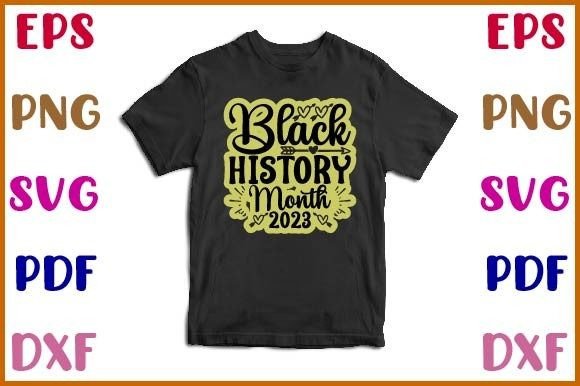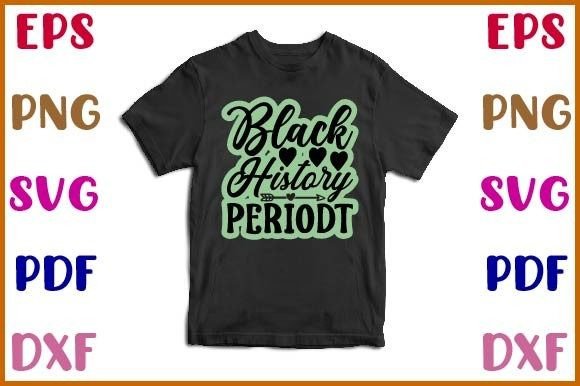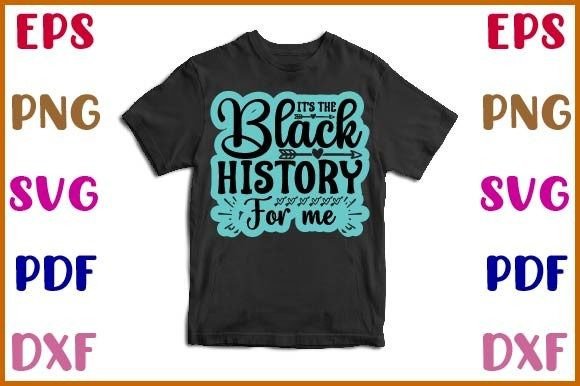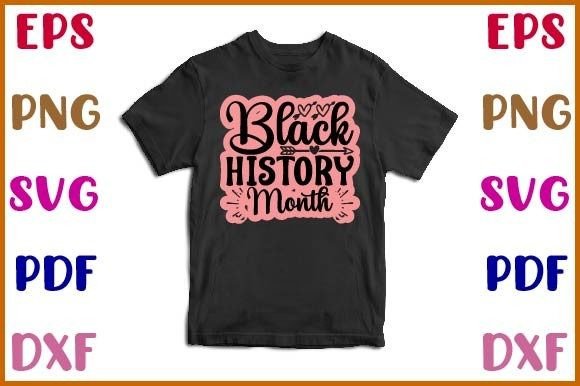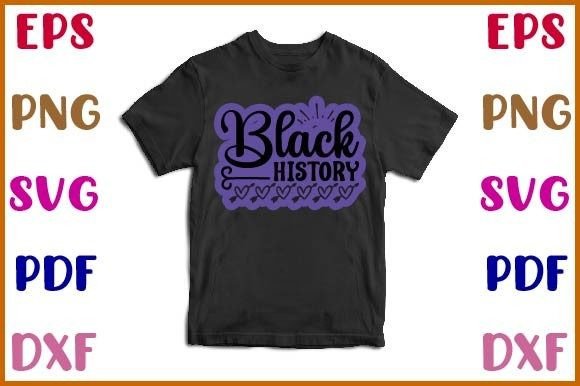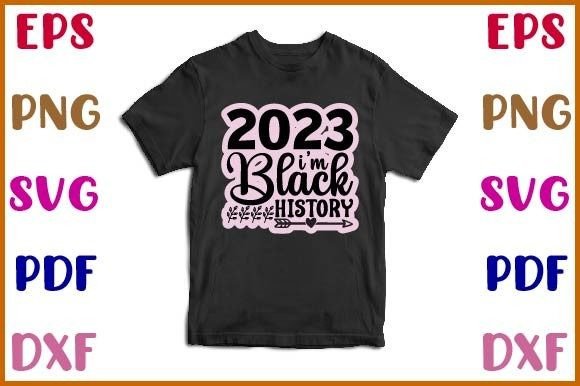
Reviewing 2023 I m Black History Sticker Design
As a designer who spends more time than I care to admit staring at stitch patterns and debating thread weights, I approach every new digital asset with a healthy dose of skepticism. The market is flooded with generic vectors that look fine on a screen but fall apart under the needle. Today, I am putting 2023 I m Black History Sticker Design through its paces. This isn’t just about aesthetics; it is about whether this file holds up in a real-world embroidery project, from the initial hooping to the final customer unboxing.
First Impressions and Visual Personality
The moment you load the design files, which include AI, SVG, EPS, DXF, JPEG, and PNG formats, you get a sense of the creator’s intent. The title suggests a sticker aesthetic, which immediately raises questions about how flat graphic elements translate into three-dimensional textile art. In my experience, "sticker" designs often rely on bold outlines and solid color blocks—elements that can be tricky to replicate without looking muddy or overly dense.
This particular design carries a strong cultural statement. For an embroidery project centered around heritage and pride, the visual weight needs to be balanced. It feels confident and direct. The layout appears clean, avoiding the cluttered look that plagues many holiday-themed craft business items. When I imagine this on a garment, it doesn’t scream for attention so much as it asserts presence. That is a subtle but crucial distinction for high-end custom apparel.
Real-World Application: The Tote Bag Scenario
Let’s talk about utility. I recently needed a unique item for a boutique client launching a line of sustainable goods. They wanted something meaningful for their Earth Day collection but also aligned with social awareness themes. I pulled 2023 I m Black History Sticker Design as a potential candidate for a heavy-duty canvas tote bag design.
Why a tote? Because it offers a large, stable surface area. Embroidering intricate text on a curved cap or a small baby onesie requires precision that many home machines struggle with. On a flat canvas tote, the design could shine. I envisioned using a contrasting thread color to pop against natural cotton. The result would be a handmade product that feels both artisanal and polished. Customers today are looking for personalized gift options that tell a story, and this design provides a narrative anchor without being overly literal.
However, if I were to use this for a sweatshirt embroidery project, I would need to be careful. Hoodies have texture. If the fabric is too nubby, the fine lines of the sticker-style outline might get lost. But on a smooth jersey knit or a structured denim jacket, this design would hold its shape beautifully, offering excellent visual appeal and stitching clarity.
Technical Considerations for the Stitcher
Here is where the rubber meets the road. As an Etsy seller or small shop owner, you cannot afford returns due to technical failures. Before committing to a full production run, there are non-negotiable steps.
- Test on Scrap Fabric: Always run a test stitch-out. This allows you to see how the stitch density interacts with your specific fabric choice. If the design is too dense, it will pucker the fabric. If it is too sparse, it will look unfinished.
- Check Thread Contrast: Since this is a black history-themed design, contrast is key. If you are stitching on dark fabric, you will need bright, reflective threads for the highlights. On light fabric, deep blacks and rich tones will provide the necessary definition.
- Hoop Size Verification: Ensure the design fits comfortably within your machine’s maximum hoop size. Trying to trim a complex vector down manually can ruin the proportions. If the hoop size is restrictive, consider breaking the design into separate patches rather than forcing a single large piece.
- Stabilizer Selection: For a design that mimics a sticker, you want clean edges. A cut-away stabilizer is usually best for commercial embroidery projects that need to withstand frequent washing. Tear-away might suffice for temporary displays, but it rarely lasts.
Where to Use It (And Where to Hesitate)
This design is versatile, but it is not universal. It performs exceptionally well on embroidered patch applications where the border defines the shape. It also works well as a chest-level accent on custom apparel. However, I would advise caution when applying this to textured fabrics like terry cloth or thick fleece. The details may blur, reducing the professionalism of the finished product.
Avoid placing this design on highly stretchy materials without proper stabilization, as the tension can distort the "sticker" effect, making it look warped. Additionally, if the design contains tiny lettering or very thin decorative accents, test these areas closely. On a kitchen towel or apron, which undergo rigorous laundering, delicate stitches are prone to fraying. If the detail is minimal, it might disappear over time, leading to customer dissatisfaction.
Impact on Brand and Sales
From a marketing perspective, how does this design affect buyer engagement? In the world of digital product sellers and physical goods, authenticity wins. Using a design that resonates culturally and aesthetically builds trust. When a customer sees a well-executed embroidery file on a holiday gift or a wedding gift, they perceive value.
This design supports brand consistency because it is clean and modern. It avoids dated trends, meaning your inventory won’t look obsolete next year. For printable mockups, this asset is gold. You can showcase it on various backgrounds to demonstrate versatility, helping you convert browsers into buyers. The clear, bold nature of the design translates well to small screens, ensuring that the core message is visible even in thumbnail views on social media platforms.
Final Verdict
2023 I m Black History Sticker Design is a strong contender for designers looking to add meaningful, stylish pieces to their catalog. It bridges the gap between digital graphic design and tactile textile art effectively. While the included formats suggest it was originally optimized for cutting machines (SVG, DXF), the inclusion of raster formats (JPEG, PNG) indicates flexibility for those who might need to trace or adapt it for embroidery software.
Remember to verify the licensing terms before selling finished items. Some assets allow personal use only, while others permit commercial distribution. Assuming the license permits it, this design offers high potential for craft fair products, boutique branding, and small business merchandise. Just remember: the best embroidery comes from thoughtful preparation. Test your stitches, choose your fabrics wisely, and let the quality of the work speak for itself. This design has the potential to be a standout piece in any embroidery project, provided it is treated with the technical respect it deserves.