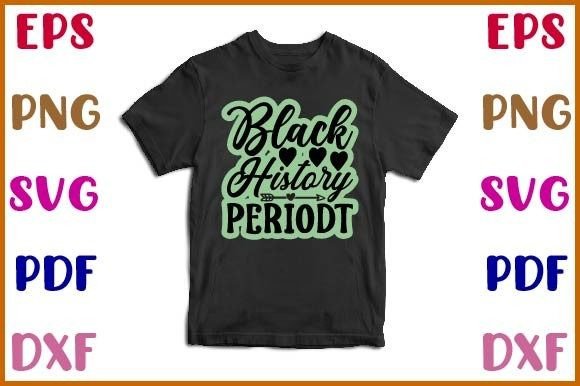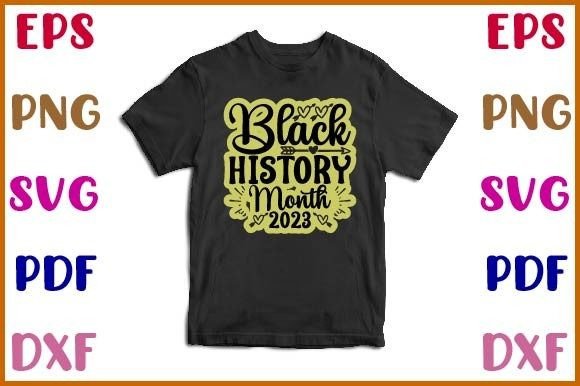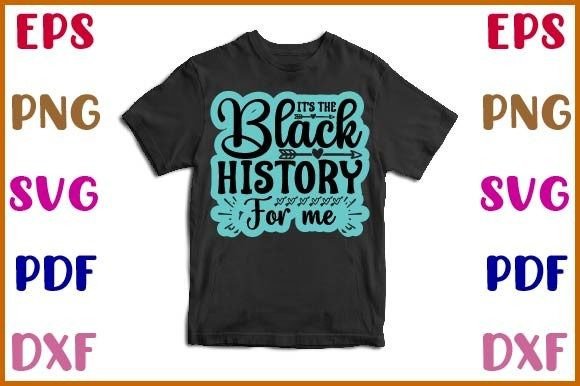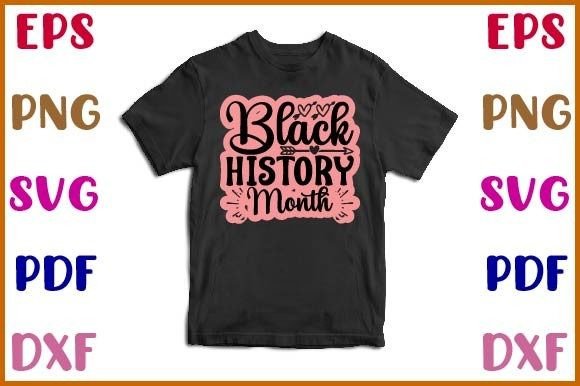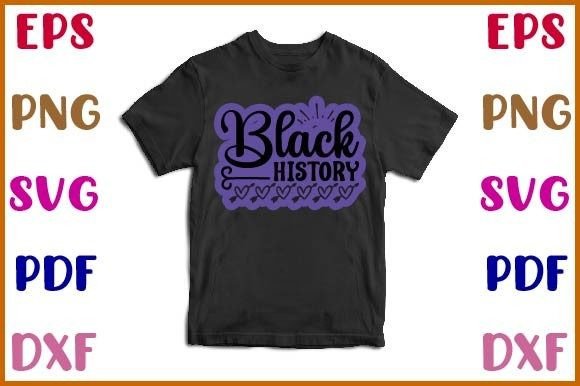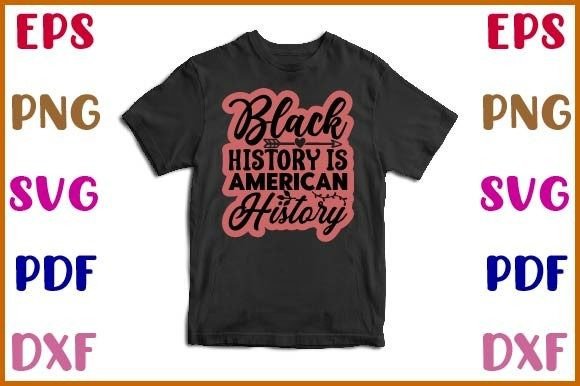
Black History is American History Sticker Review
As a designer who spends more time than I care to admit staring at stitch density charts and fabric swatches, I approach every new digital asset with a healthy dose of skepticism. The market is flooded with generic clip art, but when something lands in my inbox that claims to be both a statement piece and a practical embroidery file, I take notice. Today, I am evaluating the Black History is American History Sticker design. This isn’t just another decorative graphic; it is a cultural statement packaged as a machine embroidery design. My goal here is to strip away the marketing hype and look at this from the perspective of someone who actually has to hoop, stitch, and sell these items.
First Impressions: Mood and Visual Personality
The moment you load this digital embroidery file into your software, the layout speaks for itself. It carries the distinct visual language of a sticker—bold, outlined, and self-contained. For an embroiderer, this is crucial. It suggests a design that relies on strong contrast and clear boundaries rather than subtle shading or complex gradients. The mood is confident and direct. It does not whisper; it declares.
In terms of aesthetic appeal, the "sticker" style translates exceptionally well to thread. Because the original concept mimics a die-cut vinyl sticker, the final finished product will have a crisp, almost appliquéd look even if executed entirely in thread. This creates a high-impact visual that stands out against various backgrounds. Whether placed on a dark denim jacket or a light cotton tote, the design commands attention. It feels modern, streetwear-inspired, and highly relevant for today’s social landscape. It is not merely decorative; it is communicative.
Real-World Application: Where Does This Design Shine?
I recently had a client request a batch of custom apparel for a local community center’s heritage month event. They wanted something unifying, bold, and suitable for all ages. This design immediately came to mind. Here is how I see Black History is American History Sticker performing in actual production scenarios:
- Custom Apparel and Sweatshirts: This is the natural home for this design. On a heavyweight crewneck sweatshirt, the bold lines cut through the texture of the fabric beautifully. It works particularly well as a left-chest logo for a professional yet personal touch, or centered on the back for a larger statement piece.
- Tote Bags and Canvas Goods: A tote bag design needs to be legible from a distance. The sticker format ensures that even if the stitching is slightly imperfect due to fabric stretch, the overall shape remains recognizable. It adds value to a simple canvas bag, turning it into a boutique-level accessory.
- Holiday Gifts and Personalized Products: During the holiday season, people are looking for meaningful gifts. This design fits perfectly into the category of a personalized gift. Imagine a custom embroidered pillow cover or a kitchen towel featuring this motif. It transforms a household item into a conversation starter.
- Embroidered Patches: Because the design already resembles a sticker, it requires minimal additional border work to function as a sew-on patch. This makes it an excellent candidate for adding to backpacks, caps, or jackets where a detachable element is desired.
For Etsy sellers and small shop owners, this design offers versatility. You can market it as a handmade product that supports cultural awareness, which resonates strongly with conscious consumers. It also serves as a great printable mockup subject, allowing you to showcase the design before committing to physical inventory.
Technical Considerations and Stitching Clarity
No matter how beautiful a design looks on screen, its success lies in the execution. When preparing Black History is American History Sticker for production, several technical factors come into play.
Stitch Density and Fill Stitch: The core of this design likely utilizes fill stitch techniques to create the solid background areas typical of stickers. Ensure your machine settings match the fabric weight. If the fill is too dense, the fabric may pucker; if too sparse, the thread coverage may look thin. Always check the stitch density in your digitizing software before running a full production run.
Satin Stitch and Edges: The outline of a sticker-style design often relies on a clean satin stitch to define the edges. This gives the illusion of a vinyl cut-out. Pay close attention to the corner radiuses in the satin stitch path. Sharp corners can sometimes cause needle breaks or thread nests if not trimmed correctly. A slight rounding or proper jump-stitch placement is essential for a polished look.
Thread Colors and Contrast: To achieve the true "sticker" effect, color choice is paramount. A white or bright yellow thread on a black garment will mimic a classic sticker label. Conversely, a tonal monochrome look might lose some of the punch. Test your thread colors on scrap fabric first. Lighting in your studio can deceive you; what looks vibrant under bright LEDs might look muddy under natural store lighting.
Where to Use Carefully: Potential Pitfalls
While this design is robust, it is not without its challenges. There are specific scenarios where Black History is American History Sticker might struggle:
- Small Hoop Sizes: If you attempt to shrink this design down to fit a tiny 3x3 inch hoop, you risk losing detail. Small lettering or intricate inner details may become illegible blobs of thread. Keep the minimum size large enough to maintain clarity.
- Textured and Stretchy Fabrics: While heavy cottons and denims are ideal, attempting this on a loose-weave linen or a highly stretchy jersey knit without proper stabilization can lead to distortion. The rigid nature of a "sticker" design contrasts with floppy fabrics, potentially causing warping.
- Curved Surfaces: Embroidering this on a curved surface like a baseball cap requires careful tension adjustment. The flat nature of the sticker design may not follow the curve of the hat seamlessly unless digitized specifically for curvature.
- Frequent Washing: For items like kitchen towels or baby clothes that undergo frequent washing, ensure the stabilizer is completely removed and the threads are secured tightly. Loose threads on a high-friction item can snag and ruin the professionalism of the final piece.
Designer Notes for Production Success
Before you commit to a full run of commercial embroidery projects, follow these practical steps:
- Test on Scrap Fabric: Never trust the screen. Stitch the design on the exact fabric type you plan to use. Check for puckering, thread breaks, and color accuracy.
- Check Stabilizer Needs: Depending on your fabric, you may need a cut-away stabilizer for durability or a tear-away for lightweight materials. The right stabilizer makes the difference between a amateur job and a boutique-quality item.
- Review Licensing: As a craft business owner, you must verify the usage rights. The product description mentions AI, SVG, EPS, DXF, JPEG, and PNG files. Confirm whether the license allows for commercial sale of finished goods. Some designs are for personal use only, while others permit unlimited commercial production.
- Black and White Mockups: Convert your design to grayscale in your editing software. This helps you assess the balance of positive and negative space without being distracted by color. If the design holds up in black and white, it will thrive in color.
Ultimately, Black History is American History Sticker is more than just a graphics asset; it is a tool for expression. For designers, Etsy sellers, and makers, it offers a blend of cultural relevance and technical simplicity. By respecting the nuances of embroidery—hoop size, stitch type, and fabric behavior—you can transform this digital file into a tangible, high-value handmade product that resonates with customers on a deeper level. It is a smart addition to any design assets library, provided you approach it with the precision and care that quality craftsmanship demands.