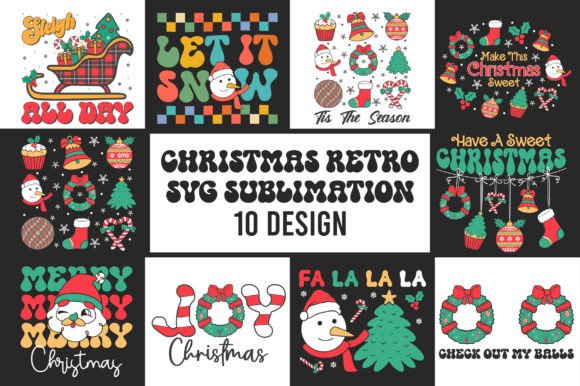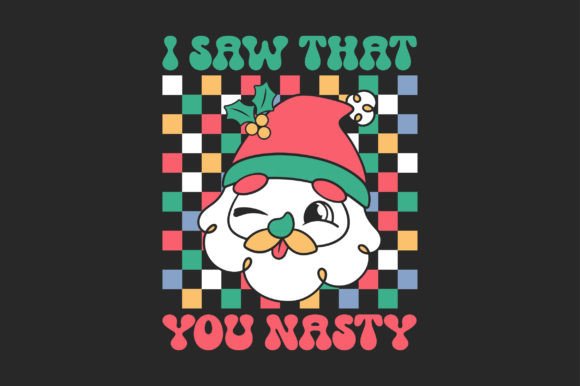
Christmas Retro SVG Sublimation T-shirt
As a designer who spends more time staring at stitch density charts than actual sleep, I approach every new digital asset with a mix of curiosity and healthy skepticism. The market is flooded with holiday graphics, but few manage to strike that delicate balance between nostalgic charm and technical viability for embroidery. This is where the Christmas Retro SVG Sublimation T-shirt design catches my eye. It promises a specific aesthetic—one that leans into vintage warmth without sacrificing the clarity needed for machine work. But does it hold up when translated from a vector file into thread on fabric? Let’s break down its potential for real-world projects.
First Impressions: Mood and Visual Personality
The moment you load this machine embroidery design, the retro vibe is immediate. It doesn’t scream for attention with neon brightness; instead, it whispers with the comfort of a well-worn flannel or a classic diner sign. The visual personality is warm, inviting, and distinctly festive without being cliché. For designers creating custom apparel or boutique items, this mood is gold. It suggests a product that feels handmade and thoughtful rather than mass-produced.
From a layout perspective, the composition feels balanced. The shapes are clean, which is crucial because we all know how messy intricate details can look when stitched out. The design relies on strong silhouettes and clear negative space, ensuring that even if your machine has a slight wobble in the corner stitches, the overall image remains recognizable. This is the kind of embroidery project that looks professional right off the hoop, provided you’ve done your homework on stabilizers.
Real-World Application: Where Does It Fit?
I often get asked, "What should I make with this?" The answer depends entirely on the end user. If you are an Etsy seller or running a small shop, this design is incredibly versatile. It works beautifully as a sweatshirt embroidery piece for holiday parties or family gatherings. The retro theme pairs perfectly with heavyweight cotton blends, giving that authentic vintage feel that customers love.
However, don’t limit yourself to tops. I see immense potential in using this as a tote bag design. Imagine this graphic centered on a sturdy canvas tote—perfect for holiday markets or as a personalized gift for teachers. The bold lines of the graphics translate well to thicker fabrics, minimizing the risk of puckering. It also shines as an embroidered patch for denim jackets or beanies, adding a touch of seasonal flair to everyday wear.
For those targeting the nursery or baby market, consider scaling this down slightly for a onesie or a soft blanket. The gentle, rounded nature of many retro designs makes them less intimidating for infants compared to sharp, modern geometric patterns. It becomes a personalized gift that parents will actually want to keep long after the holidays are over.
Technical Considerations for Stitching Success
While the visual appeal is high, the devil is always in the details. When preparing this digital embroidery file for production, there are several technical checkpoints every designer must respect.
- Hoop Size and Placement: Always confirm the recommended hoop size before cutting your stabilizer. If the design is large, ensure your garment allows for proper tension. A cramped hoop can lead to distortion, ruining the retro symmetry.
- Stitch Density: Check the stitch density carefully. If the design uses heavy fill stitch areas, you may need a cut-away stabilizer, especially on stretchy knits like t-shirts. For woven fabrics like aprons or tea towels, a tear-away might suffice, but testing is key.
- Thread Color Contrast: The description notes easy color changes, but contrast is king. On dark fabrics, ensure your thread choices pop. A light background with dark text (or vice versa) ensures readability. Avoid low-contrast combinations unless you are aiming for a very subtle, tonal look.
- Small Details: Inspect any tiny lettering or fine lines. If the running stitch areas are too thin, they may disappear into the fabric texture. In such cases, consider simplifying the design in your software or opting for a thicker thread weight.
Pitfalls to Avoid
Even the best design assets can fail if placed incorrectly. Here is where you need to be careful:
- Textured Fabrics: Avoid placing this on heavily textured materials like bouclé or thick chenille. The fabric texture will compete with the embroidery file details, resulting in a muddy appearance.
- Stretchy Surfaces: While great for standard tees, extreme stretch (like spandex-heavy activewear) requires excellent stabilization. Without it, the satin stitch edges may pucker or distort during wear.
- Curved Surfaces: Applying this to caps or curved hems can be tricky. Ensure the design is digitized or positioned to accommodate the curve, otherwise, straight lines will look warped.
- Dense Areas: If the design includes large blocks of solid color, watch out for needle penetration issues. Too many layers can cause the fabric to become stiff and uncomfortable.
Impact on Product Value and Brand Trust
Using a well-executed holiday embroidery design like this elevates your brand perception. Customers associate clean stitching and thoughtful design choices with quality. When a buyer receives a handmade product that looks polished, their trust in your craft business increases. They are more likely to leave positive reviews and recommend your shop to others.
Furthermore, the retro aesthetic taps into current trends. Nostalgia sells. By offering this as part of your small shop product line, you align yourself with contemporary tastes while providing the timeless appeal of Christmas classics. It’s not just a shirt; it’s a statement piece that resonates emotionally with buyers.
Final Verdict and Next Steps
The Christmas Retro SVG Sublimation T-shirt design is a strong contender for anyone looking to add seasonal inventory to their collection. Its clean lines, nostalgic mood, and versatility make it suitable for a wide range of applications, from custom apparel to home decor.
Before committing to bulk production, I strongly advise testing the design on scrap fabric first. Use the same thread colors and stabilizer you plan for the final product. Create a black-and-white mockup to check contrast, and inspect the finished sample under good lighting. Once you are satisfied with the stitch clarity and overall presentation, you can confidently list this as a premium item in your store.
Remember to verify licensing terms if you intend to sell finished goods commercially. Assuming the rights are clear, this design offers a fantastic opportunity to create memorable, high-quality finished products that stand out in a crowded marketplace. Happy stitching!