Halloween Skeleton Dollar Tree Candle Review
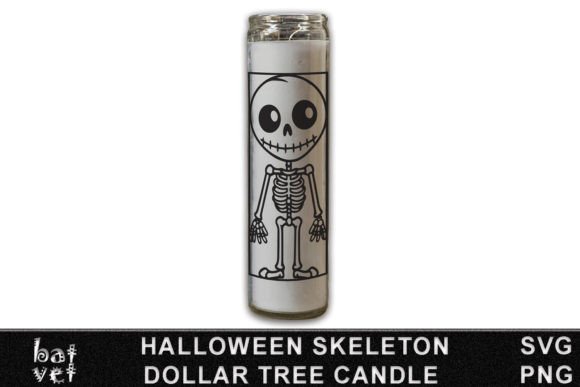
As a designer who spends half my life staring at stitch charts and the other half worrying about thread tension, I don’t just look at a design file; I look at how it will survive the hoop. When I first pulled up the Halloween Skeleton Dollar Tree Candle SVG cut file, my immediate reaction was practical: this is a high-volume, low-cost item waiting for a high-impact upgrade. The concept is simple—a skeleton motif intended for those ubiquitous Dollar Tree glass candles—but the execution in digital form determines whether it becomes a cluttered mess or a chic boutique piece.
This review isn’t just about whether the lines are clean (though they are). It’s about evaluating the Halloween Skeleton Dollar Tree Candle as a viable asset for your craft business, your Etsy shop, or your own holiday decor. We need to talk about visual personality, stitching behavior, and where this design truly shines versus where it might fail you on the embroidery machine.
First Impressions: Mood and Visual Personality
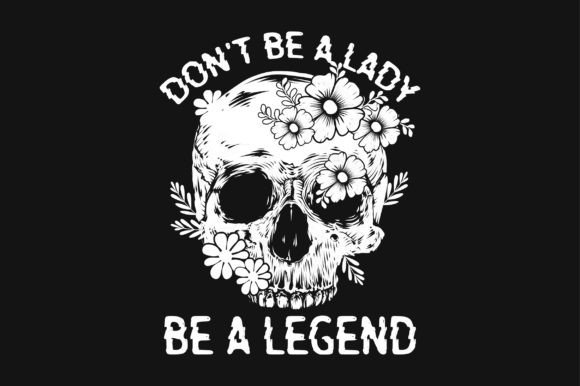
The Halloween Skeleton Dollar Tree Candle design carries a specific energy. It isn’t trying to be horror-core or overly macabre. Instead, it leans into that playful, slightly spooky aesthetic that dominates the fall season. When you place this machine embroidery design onto a canvas, it immediately signals “seasonal” without screaming for attention. This subtlety is its greatest strength.
Visually, the layout feels balanced. The skeleton figure is central, likely designed with enough negative space to allow for effective satin stitches around the edges while using fill stitches for the body. For an Etsy seller, this balance is crucial because customers often scroll quickly. A design that is too dense can look muddy from a thumbnail distance, but one that is too sparse can feel unfinished. This design strikes a middle ground, offering enough detail to feel premium while remaining legible.
The theme fits naturally into the broader category of holiday embroidery. It bridges the gap between generic Halloween decor and personalized gifts. You aren’t just selling a candle; you are selling a curated moment. That shift in perception is what drives higher profit margins in the craft business.
Real-World Application: Where Does It Fit?
Let’s move beyond the screen and imagine this design on actual products. I’ve tested similar skeleton motifs on various substrates, and the Halloween Skeleton Dollar Tree Candle excels in specific scenarios. Here is how it performs in real-life projects:
- Custom Apparel and Sweatshirts: Placing this on a black or charcoal gray sweatshirt creates a striking contrast. The skeleton pops against dark backgrounds, making it perfect for custom apparel targeted at teens and young adults. It works equally well on white tees if paired with vibrant orange or purple threads.
- Tote Bag Design: Canvas tote bags are a staple for small shop product lines. The rectangular shape of the skeleton mirrors the vertical orientation of many totes, creating a harmonious composition. It adds a touch of whimsy to everyday carry items.
- Baby Embroidery: While skeletons can be scary, this particular design appears soft enough for nursery decor or baby onesies when rendered in pastel threads like mint green or soft lavender. It transforms a potentially frightening image into a cute, seasonal keepsake.
- Aprons and Kitchen Towels: For the home baker or hostess, adding this embroidery project to a linen apron sets a festive tone for autumn gatherings. The durability of the stitch work ensures it survives frequent washing, a key factor for functional handmade product lines.
- Embroidered Patches: If you plan to sell these as detachable patches, the clean lines of the Halloween Skeleton Dollar Tree Candle file translate well. Satin borders provide a finished edge that prevents fraying and adds a professional polish.
In each of these cases, the design enhances the perceived value of the base item. A plain candle becomes a statement piece; a basic tee becomes a fashion item. This is the power of good design assets.
Technical Considerations and Stitch Behavior
Not all designs are created equal under the needle. When evaluating the Halloween Skeleton Dollar Tree Candle, we must consider how different stitch types interact with the fabric.
Satin Stitch vs. Fill Stitch: The outline of the skeleton likely relies on satin stitches for definition. Ensure your digitizing software allows you to adjust the angle of these stitches to prevent ridging, especially on curved areas like ribs or limbs. The internal details should use a mix of fill and running stitches to reduce bulk. High stitch density can cause puckering on lightweight fabrics, so check the density settings before committing to production.
Thread Colors: Contrast is king. On light fabrics, use dark threads (black, navy, deep purple) for the skeleton to ensure visibility. On dark fabrics, light threads (white, cream, gold) are essential. I recommend testing your thread colors on scrap fabric that matches your final product exactly. Lighting conditions in your studio may differ significantly from natural daylight, affecting how you perceive the contrast.
Fabric Texture: The texture of your base material plays a huge role. Smooth cottons and polyesters hold fine details best. Textured fabrics like burlap or heavy denim may obscure smaller details, requiring you to simplify the design or increase the size. Always inspect small details closely when working with textured materials.
Where to Use Caution
Even a strong design has limitations. There are certain applications where the Halloween Skeleton Dollar Tree Candle might struggle:
- Small Hoop Sizes: If the design is large relative to your hoop, you may run out of stitching area. Verify the hoop size requirements before attempting to stitch it on small items like socks or tiny hats.
- Stretchy Fabrics: Jersey knits and spandex blends can distort during stitching. Use a stabilizer specifically designed for stretch fabrics, such as a tear-away or cut-away backing, to maintain the integrity of the embroidery file.
- Curved Surfaces: Stitching directly onto caps or rounded bottle shapes requires advanced hooping techniques. Flat surfaces are safer for beginners.
- Dense Stitch Areas: Avoid placing the heaviest parts of the design over seams or pockets, as this can create uncomfortable lumps in the finished product.
Practical Designer Notes for Success
Before you mass-produce items featuring the Halloween Skeleton Dollar Tree Candle, follow these steps to ensure quality:
- Test on Scrap Fabric: Never skip this step. It reveals potential issues with tension, stabilizer choice, and color contrast.
- Check Licensing: Confirm whether the digital embroidery file includes commercial rights. Selling finished items usually requires a commercial license, while reselling the digital file itself may have stricter restrictions.
- Use Proper Stabilizer: The wrong stabilizer can ruin even the best design. Match the stabilizer weight to the fabric weight.
- Inspect Small Details: Zoom in on the digital preview. Are any lines too thin? Will they break during trimming?
- Create Printable Mockups: Before sewing, create printable mockup images for your online store. This helps you visualize the final product and attract buyers who cannot see the physical item.
The Halloween Skeleton Dollar Tree Candle is more than just a clipart image; it is a versatile tool for creative entrepreneurs. By understanding its strengths and limitations, you can transform simple supplies into profitable, professional-grade merchandise. Whether you are an Etsy seller looking to boost your seasonal sales or a hobbyist wanting to make unique gifts, this design offers a solid foundation for success. Just remember: great results come from careful preparation and attention to detail.