Wildflower Mushroom SVG Sublimation Review
As a designer who spends more time looking at stitch lines than actual stitches, I approach every new digital asset with a mix of optimism and skepticism. The market is flooded with "vintage" and "whimsical" graphics, but few actually translate well from a screen to fabric. Today, I am evaluating the Wildflower Mushroom SVG Sublimation design to see if it holds up under the scrutiny of real-world embroidery production. This isn't just about how pretty the preview looks; it is about whether this file can serve as a reliable foundation for a commercial product line or a high-end personalized gift.
First Impressions: Mood and Visual Personality
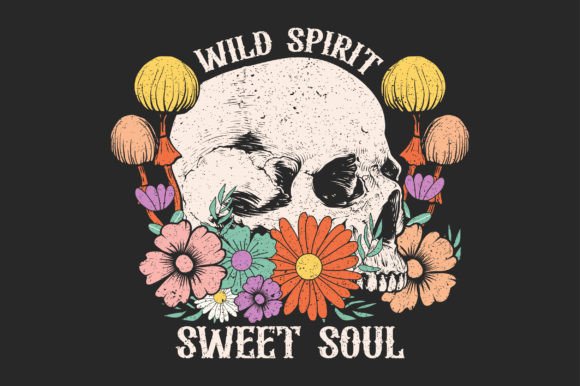
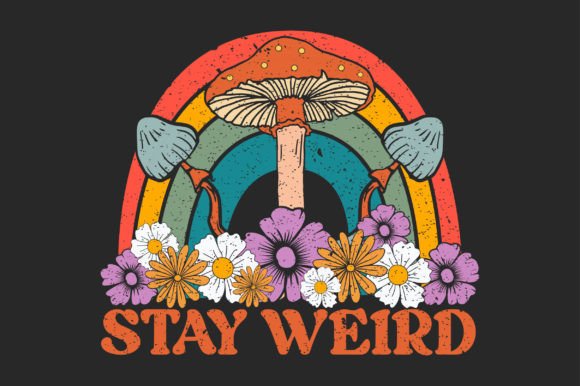
The immediate aesthetic of the Wildflower Mushroom SVG Sublimation leans heavily into the cottagecore and dark academia trends that have dominated handmade markets for the last few years. The combination of organic mushroom forms with delicate floral elements creates a nostalgic, slightly mysterious vibe. It feels grounded yet ethereal. For an embroidery project, this visual personality is crucial because it dictates the choice of thread colors and fabric textures.
What stands out immediately is the vintage quality mentioned in the description. In vector terms, this usually means clean curves without unnecessary anchor points, which is a huge plus for digitizing. If you are planning to use this as a base for a custom machine embroidery design, the clean lines suggest that the resulting satin stitches will be smooth and less prone to tangling. The layout appears balanced, allowing for flexibility in placement—whether centered on a sweatshirt chest or offset on a tote bag corner.
Real-World Application: From Screen to Stitch
Let’s imagine a specific scenario. You are preparing a batch of custom embroidered patches for a boutique brand targeting nature enthusiasts. You select the Wildflower Mushroom SVG Sublimation as the core graphic. Because the design includes both solid shapes (the mushroom caps) and finer details (the flower petals), it offers a great opportunity to showcase different stitching techniques.
In practice, the solid areas of the mushroom can be executed with a dense fill stitch to create a plush, tactile surface. This adds perceived value to the finished product. Customers love feeling the texture of embroidery; it signals quality. Meanwhile, the wildflower accents can be rendered with running stitches or lighter fill patterns to provide contrast. This interplay between heavy and light stitching keeps the design from looking flat or monotonous.
This design is particularly versatile for small business merchandise. It works beautifully on heavyweight cotton hoodies, where the vintage theme complements the rugged fabric. It also translates well to aprons for home bakers or tea towels, where the whimsical subject matter adds a touch of personality to kitchen decor. For Etsy sellers, the broad appeal of mushrooms and flowers means this design has a wide potential customer base, from young adults decorating dorm rooms to older crafters making nursery items.
Stitch Density and Clarity Considerations
One area that requires careful attention is stitch density. Mushrooms often have curved tops that can be challenging to digitize cleanly. If the Wildflower Mushroom SVG Sublimation is used directly without proper digitization adjustments, the curves might pucker. I recommend testing the design by converting it to a simple black-and-white mockup first. This helps identify any overlapping paths or tiny gaps that could cause needle breaks or thread tension issues during production.
Furthermore, consider the hoop size. While the design may look intricate, ensure that the smallest details—such as the stems of the wildflowers—are large enough to be stitched clearly. If a detail is too small, it will likely disappear into the fabric texture or become a blurry blob after washing. A good rule of thumb is that any element smaller than 2mm should be evaluated closely. If the original vector file contains extremely fine hairlines, you may need to simplify these before sending them to your embroidery machine.
Where to Use It Carefully
Not every surface is suitable for this type of detailed graphic. Here are a few situations where you should exercise caution:
- Stretchy Fabrics: Knits and stretchy synthetics can distort complex designs. If you plan to embroider this on a performance cap or a stretchy baby onesie, use a strong cut-away stabilizer to prevent the fabric from shifting under the needle.
- Small Hoop Sizes: Avoid placing this design in very small hoops unless you are downsizing significantly. The fine details of the wildflowers may get lost or look cluttered when compressed into a tiny space.
- Textured Fabrics: Burlap, fleece, or heavily textured weaves can hide the precision of the embroidery. The clean lines of the Wildflower Mushroom SVG Sublimation are best appreciated on smooth fabrics like canvas, denim, or high-quality cotton blends.
- Dense Stitch Areas: If you add heavy backing stitches around the entire perimeter, the final product may feel stiff. For items like pillow covers or clothing that need to remain soft, opt for lightweight tear-away or wash-away stabilizers where appropriate.
Impact on Product Value and Branding
Using a high-quality vector source like the Wildflower Mushroom SVG Sublimation directly impacts customer trust. When a buyer receives a handmade item with crisp, well-defined embroidery, it reflects professionalism. Inconsistent stitching or pixelated edges can make a product look cheap, regardless of the price point. By starting with a 100% vector file, you ensure that your embroidery files can be scaled to any size without losing clarity, giving you the freedom to offer various product sizes.
Additionally, the ease of color changing mentioned in the file description is a significant advantage. It allows you to create variations of the same design quickly. You might produce a green-themed version for spring, a warm orange and brown set for autumn, or a pastel palette for baby showers. This versatility extends the lifecycle of the design asset, allowing you to keep your shop fresh without constantly searching for new graphics.
Practical Designer Notes for Success
Before committing to a full production run, follow these steps to ensure the best outcome:
- Test on Scrap Fabric: Always stitch a test sample on the exact fabric and stabilizer you plan to use. This reveals how the threads interact with the material.
- Check Thread Contrast: Ensure there is enough contrast between the thread color and the fabric. Dark mushrooms on dark denim will lack definition, while bright florals on white cotton will pop.
- Review Licensing: Confirm whether the license allows for commercial use of the finished physical products. Most SVG packs allow this, but it is critical to verify before listing items on Etsy or other marketplaces.
- Inspect Small Details: Zoom in on the digital file. Are the flower petals distinct? Is the mushroom stem clear? Simplify any ambiguous paths before digitizing.
- Compare Light and Dark Backgrounds: Create mockups on both light and dark backgrounds to visualize the final look. This helps in selecting the right thread colors for maximum visual impact.
In conclusion, the Wildflower Mushroom SVG Sublimation is a strong candidate for designers looking to add a touch of whimsical vintage charm to their embroidery projects. Its clean vector structure makes it adaptable for various applications, from custom apparel to home decor. By paying attention to stitch density, fabric choice, and licensing, you can transform this digital asset into a profitable and beloved physical product.