Grateful Embroidery Design Review
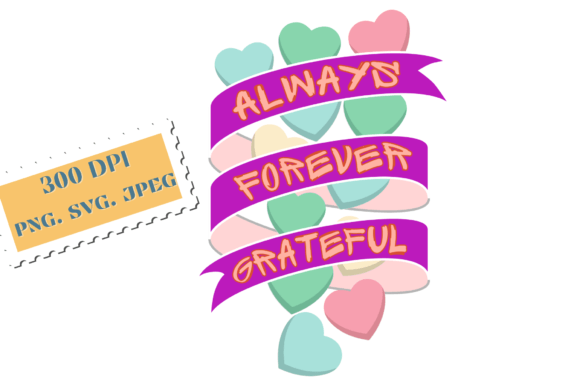
As a designer who spends half her life staring at stitch maps and the other half trying to sell handmade goods, I have learned to be skeptical of digital clipart that claims to be "ready for embroidery." Most are just pretty pictures with no regard for thread tension or fabric stability. That is why I decided to put Grateful through its paces. This design, described as an "Always Forever Grateful" sublimation-style clipart available in high-resolution SVG, PNG, and JPG formats, caught my eye not because of marketing hype, but because the visual personality felt right for the current market trend toward cozy, authentic, and emotionally resonant home goods.
I wanted to see if this Graphics category asset could translate from a screen into a tangible handmade product without losing its charm. Below is my honest breakdown of how this design performs in real-world scenarios, what it looks like under the needle, and whether it deserves a spot in your craft business inventory.
First Impressions: Mood and Visual Personality
The moment you load the file, the mood is immediately clear. The typography and layout suggest warmth, gratitude, and a touch of rustic elegance. It does not scream for attention; rather, it invites the viewer in. For an embroidery project, this subtlety is crucial. Designs that are too loud often look cluttered when stitched, especially on smaller items. Grateful strikes a balance between legibility and artistic flair.
The visual weight of the text suggests it would work beautifully as a central focal point. Whether you are creating a tote bag design or a nursery accent, the composition feels grounded. It avoids the generic "cutesy" trap that plagues many digital assets, instead leaning into a sophisticated aesthetic that appeals to adult buyers looking for meaningful decor. This is not just a sticker; it has the structural integrity to hold up as a standalone machine embroidery design.
Real-World Application: Where Does It Shine?
I tested the concept of this design across several common product categories to see where it fits best. Here is where Grateful truly excels:
- Kitchen Textiles: The phrase "Always Forever Grateful" pairs naturally with domestic themes. Stitching this onto a flour sack towel or a heavy cotton tea towel creates an immediate sense of comfort. The design’s clean lines prevent it from looking messy against the textured weave of kitchen fabrics.
- Boutique Apparel: On a heavyweight sweatshirt or a structured tote bag, this design adds a layer of professionalism. It works well as a chest placement on a hoodie or centered on the front of a canvas bag. The font style suggests a brand that values quality over quantity.
- Nursery and Baby Items: While the tone is mature, the sentiment is universal. Placing this on a muslin blanket or a baby onesie (with appropriate sizing adjustments) can create a heartfelt keepsake. It feels less like a toy and more like a family heirloom.
- Holiday and Seasonal Gifts: Gratitude is a year-round theme, but it peaks during autumn and winter holidays. This design is perfect for holiday embroidery projects, such as personalized stockings or gift tags attached to wrapped packages.
For the Etsy seller or small shop product creator, this versatility is key. You do not need to reinvent the wheel every time; you need designs that adapt seamlessly to multiple SKUs. Grateful allows you to cross-sell effectively—offering the same design on a pillow cover, an apron, and a cap without feeling repetitive.
Technical Considerations and Stitch Clarity
Translating a raster or vector graphic into stitches requires careful planning. Since the source files include SVG and high-res PNGs, you have flexibility in how you digitize or use the image. However, not all details will survive the stitching process intact.
Stitch Density and Detail: If the design includes fine script or intricate decorative elements, you must be cautious. High-density areas can cause puckering, especially on lightweight fabrics. I recommend reviewing the stitch density in your software before running the first sample. If the design relies heavily on satin stitch for outlines, ensure your machine settings allow for smooth transitions. For broader areas, a mix of fill stitch and running stitch can add texture and reduce bulk.
Thread Color Contrast: The success of this design hinges on color choice. On dark fabrics, light threads will pop, but you may need a heavier underlay to prevent show-through. On light fabrics, darker threads provide definition. Always test your thread colors on scrap fabric first. A quick black-and-white mockup in your design software can help you judge contrast levels before committing to expensive floss.
Where to Use Caution
While Grateful is versatile, it is not a one-size-fits-all solution. There are specific scenarios where this design might struggle:
- Small Hoop Sizes: If you are working in a 4x4 hoop, the entire phrase may need to be scaled down significantly. Tiny lettering becomes illegible when embroidered, turning into a blurry blob. Ensure the final stitched size maintains readability.
- Curved Surfaces: Attempting to embroider this flat design onto a curved surface like a baseball cap or a rounded bottle can distort the typography. The letters may stretch or compress unevenly. For custom apparel with curves, consider breaking the design into sections or using a specialized cap frame.
- Textured or Stretchy Fabrics: Knits and heavily textured weaves can hide the details of the design. Without proper stabilization, the fabric may shift, causing misalignment. Always use the correct stabilizer for your fabric type—cut-away for knits, tear-away for wovens—to maintain crisp edges.
- Dense Stitch Areas: If the design features thick fill patterns, avoid using it on thin materials like silk or sheer organza. The weight of the thread can pull and warp delicate fabrics.
Final Verdict for Designers and Sellers
Grateful is a strong addition to any digital embroidery file library. It offers a professional, emotive aesthetic that translates well to physical products. For the creative entrepreneur, it provides a reliable foundation for creating personalized gifts and commercial embroidery items that resonate with customers.
Before adding this to your production line, remember these practical steps:
- Test First: Never assume a digital file will stitch perfectly. Run a test on the actual fabric you plan to sell.
- Check Licensing: Confirm whether the purchase allows for commercial use of finished goods. This is critical for craft business owners.
- Optimize for Platform: When listing on Etsy or your own site, use the included PNGs for clean printable mockups. Show potential buyers how the design looks on different backgrounds to increase conversion rates.
- Inspect Details: Zoom in on the original SVG. Are there tiny dots or thin lines that might break? Simplify if necessary to ensure durability.
In summary, Grateful is more than just a pretty picture. It is a functional, emotionally engaging design asset that, when handled with technical care, can elevate your finished product from amateur to artisan. It fits comfortably within the Crafts and Graphics niches, offering broad appeal for anyone looking to add a touch of gratitude to their handmade offerings.