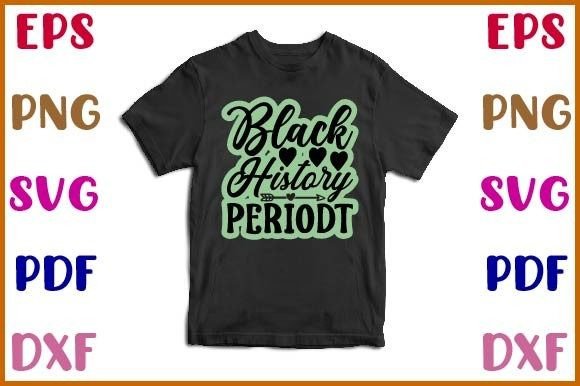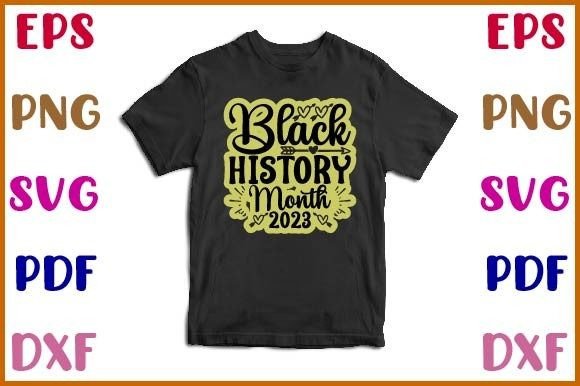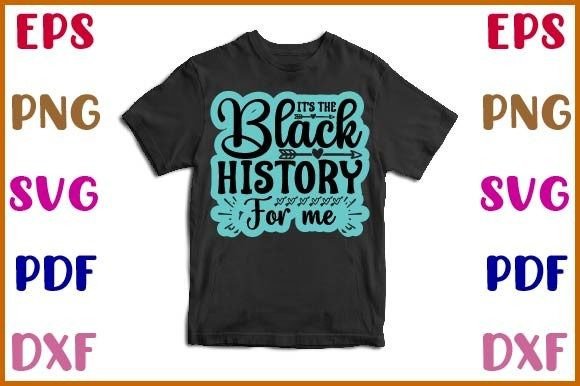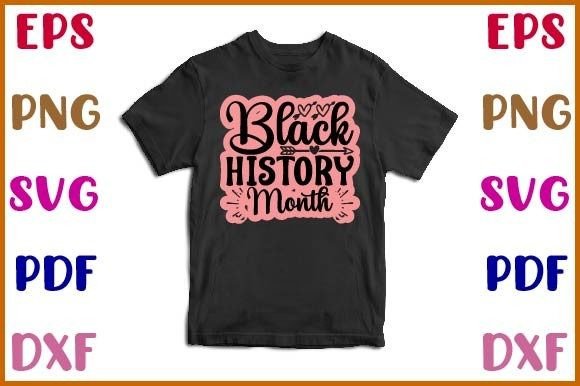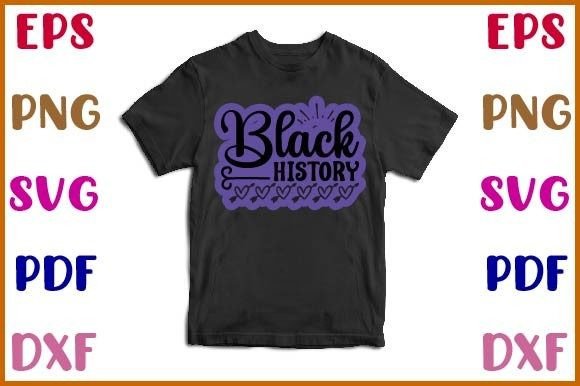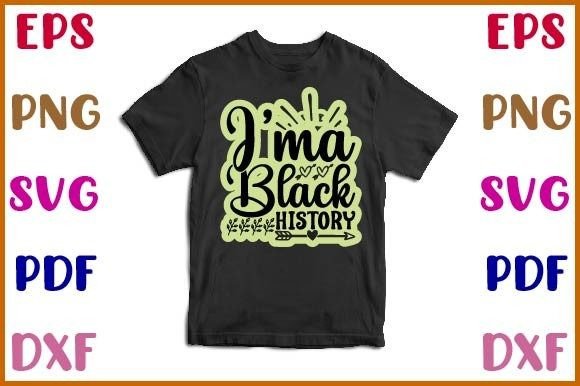
I ma Black History Sticker Design Review
When I first pulled up I ma Black History Sticker Design on my screen, I didn’t just see a graphic; I saw a conversation starter. As a designer who spends hours agonizing over stitch density and thread transitions, my initial reaction was one of cautious optimism. This isn’t just another generic clipart file slapped onto a template. It carries a specific visual weight and cultural resonance that demands careful handling if you want to translate it successfully from a digital asset into a tangible, high-quality finished product.
The design itself leans heavily into the aesthetic of a sticker or badge. For those of us in the Crafts and Graphics spaces, this is a double-edged sword. On one hand, the bold, contained shape makes it incredibly versatile for placement on various items. On the other hand, "sticker" designs often lack the internal negative space that makes embroidery breathe. My job, and your job as the maker, is to determine whether this design will hold up under the needle or if it will become a tangled mess of thread.
First Impressions: Mood and Visual Personality
The mood of I ma Black History Sticker Design is confident, celebratory, and direct. It doesn’t whisper; it states. The layout suggests a strong central focal point, likely surrounded by a border or outline that mimics the die-cut edge of a physical sticker. This gives it a modern, streetwear-inspired vibe that fits perfectly with current trends in custom apparel and boutique branding.
Visually, the design feels substantial. It has enough detail to be interesting but not so much clutter that it becomes illegible at a glance. When I imagine this on a customer’s chest or back, it commands attention without being overwhelming. It strikes a balance between a statement piece and a wearable art item. For an Etsy seller or small business owner, this kind of clear visual hierarchy is gold. Customers scroll fast; they need to understand what they are buying in less than a second. This design delivers that clarity instantly.
Real-World Application: Where Does It Shine?
Let’s talk about real use cases. I recently had a client request a series of embroidered patches for a community history project, and I ma Black History Sticker Design immediately came to mind. Here is how I envision this machine embroidery design performing in specific scenarios:
- Custom Tote Bags: A canvas tote bag is the perfect canvas for this. The sturdy fabric can handle the stabilizer needed for this design, and the bold graphic pops beautifully against natural cotton or black canvas. It transforms a simple utility item into a statement accessory.
- Sweatshirt Embroidery: Think heavy-weight hoodies or crewnecks. Placing this design on the back of a sweatshirt creates a powerful look. The texture of the fleece contrasts nicely with the smoothness of the satin stitches, adding depth to the final product.
- Embroidered Patches: Because the design mimics a sticker, it translates naturally into a patch format. You could add a merrowed edge around the perimeter (if your machine supports it) or simply leave it as a raw-edge applique design. This works exceptionally well for jackets, denim vests, and backpacks.
- Baby Items: While bold, the theme is timeless. A soft onesie or a nursery wall hanging featuring this design serves as a beautiful personalized gift. It introduces children to heritage and pride through tactile, handmade quality.
The versatility extends to holiday embroidery and seasonal collections. During February, specifically, this design would be a top performer for gift shops looking for meaningful, non-commercialized merchandise. It resonates emotionally, which drives sales far more effectively than generic patterns ever could.
Technical Considerations and Potential Pitfalls
However, not every design is created equal, and I ma Black History Sticker Design has areas where we need to be vigilant. The primary concern with any "sticker-style" vector is the potential for dense stitching in the outer borders. If the outline is too thick, it can create a stiff, plastic-like feel on the fabric, defeating the purpose of using soft, comfortable textiles.
Here are the critical factors to check before you start stitching:
- Hoop Size and Placement: Ensure the design fits comfortably within your standard hoop sizes. If the design is large, you may need to split it across multiple hoops, which increases the risk of registration errors. Always test the hoop size compatibility first.
- Stitch Density: High-density fill stitches can pucker lightweight fabrics. If you plan to embroider this on thin cotton or polyester blends, you must use a high-quality cut-away stabilizer. Do not skimp on stabilizer; it is the backbone of a clean finish.
- Thread Color Contrast: The success of this design hinges on contrast. On dark fabrics, you will need bright, vibrant threads for the main elements to ensure visibility. On light fabrics, darker threads provide a sharp, graphic look. Test your thread colors on scrap fabric before committing to the final product.
- Small Details: Examine the fine lines in the design. If there are tiny text elements or intricate curves, ensure your machine can execute them cleanly. Tiny details often get lost in the fuzz of fleece or merge together on textured fabrics like waffle knit.
Also, consider the fabric texture. While this design looks great on smooth surfaces, it might struggle on highly textured materials like chunky knits or bouclé. The needle penetration might be inconsistent, leading to skipped stitches or misalignment. For these types of fabrics, stick to smoother backgrounds to let the design speak clearly.
Affected Visual Appeal and Brand Consistency
When executed correctly, I ma Black History Sticker Design elevates the perceived value of your handmade products. It signals professionalism and cultural awareness. Buyers trust makers who pay attention to detail, such as proper trimming, consistent tension, and clean backing removal. A poorly stitched version of this design can undermine that trust, making the product look cheap despite the meaningful message.
For Etsy sellers and small shop products, this design offers excellent branding opportunities. It aligns with values of authenticity and storytelling. When customers buy a product with this design, they aren’t just buying a shirt; they are buying into a narrative. Your presentation—how you photograph the finished product, how you package it, and how you describe it—should reflect that same level of care.
Practical Designer Notes for Success
Before you rush to list this as a new item in your craft business inventory, follow these practical steps to ensure quality:
- Test on Scrap Fabric: Never skip this step. Stitch the design out on the exact fabric you plan to use for the final product. This reveals issues with puckering, thread breakage, or color bleeding that you won’t see on paper.
- Review Stitch Types: Analyze the mix of satin stitch, fill stitch, and running stitch. A good balance ensures the design lies flat and looks professional. Too much satin can make the piece rigid; too little can make it look unfinished.
- Check Licensing: Since this is sold as a digital embroidery file or design assets, verify the commercial usage rights. Some licenses allow unlimited personal use but restrict commercial sales. Make sure you have the right permissions before selling custom apparel or personalized gifts.
- Create Printable Mockups: Use the included JPEG or PNG files to create realistic mockups for your online store. Show the design on different garments and accessories to help buyers visualize the finished product. This reduces return rates and increases buyer engagement.
In conclusion, I ma Black History Sticker Design is a strong candidate for your next collection. It has the visual punch, cultural relevance, and structural simplicity that works well in embroidery. By paying close attention to technical execution—especially regarding stabilizers, thread choices, and fabric compatibility—you can turn this digital concept into a cherished physical object. Whether you are creating a one-off gift or scaling up production for your commercial embroidery business, this design offers a solid foundation for creativity and connection.