Raamsticker Welkom Sint En Piet Huisjes Review
As a designer who spends half my life staring at stitch density charts and the other half worrying about how a design will hold up after five wash cycles, I approach every new asset with a healthy dose of skepticism. When Raamsticker Welkom Sint En Piet Huisjes landed on my desk, I didn’t just see a festive graphic; I saw a potential revenue stream for holiday inventory and a charming addition to my winter collection. But does it translate well from screen to fabric? That is the real question.
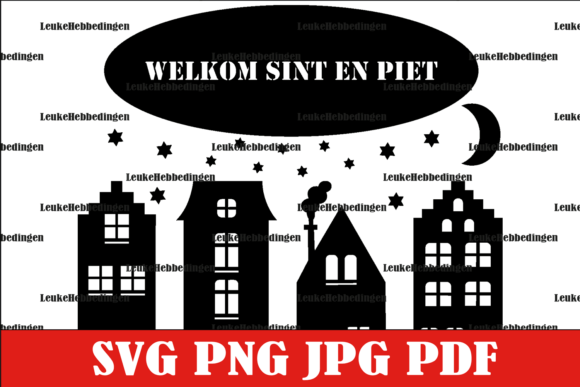
I evaluated this file not just as a static image, but as a functional machine embroidery design intended for real-world application. The source material describes these as files suitable for plotter machines to create window stickers, offering SVG, PNG, JPG, and PDF formats. However, for those of us in the Crafts and Graphics spaces looking to adapt this visual personality into an embroidery project, the translation requires careful consideration. Here is my honest breakdown of how Raamsticker Welkom Sint En Piet Huisjes performs when we move it from digital asset to tangible handmade product.
First Impressions: Mood and Visual Personality
The immediate appeal of Raamsticker Welkom Sint En Piet Huisjes lies in its nostalgic warmth. It captures the essence of Dutch tradition without feeling cluttered. The layout suggests a clear focal point—likely the iconic houses or figures associated with Sinterklaas—which makes it highly recognizable. For an Etsy seller or small shop owner, recognition is currency. A customer scrolling through listings at 11 PM needs to understand the theme instantly.
In terms of aesthetic value, the design feels grounded. It isn’t overly whimsical or abstract; it has a solid, trustworthy structure. This translates beautifully into commercial embroidery where professionalism matters. Whether you are creating a custom apparel item like a sweatshirt or a delicate baby embroidery piece, the clean lines of the original sticker concept suggest that the final stitched result would be crisp and legible. It avoids the "muddy" look that plagues many complex holiday designs.
Real-World Application: Where Does It Fit?
I ran several mental simulations using Raamsticker Welkom Sint En Piet Huisjes across different product categories. The versatility here is strong, provided you respect the scale.
- Custom Apparel: On a heavyweight cotton sweatshirt, this design would pop. The contrast between the thread and the fabric texture can enhance the "window sticker" vibe, making the garment feel like wearable art. It works particularly well as a chest-sized logo or a centered back print for a boutique brand.
- Baby Items: For onesies or nursery decor, the softness of the theme is perfect. However, you must ensure the satin stitch areas aren’t too dense for sensitive skin. A lighter touch with the fill stitch keeps it cozy rather than stiff.
- Home Decor: Imagine this on a tea towel or a pillow cover. The rectangular nature of a "house" motif fits perfectly within standard hoop sizes, making it an easy sell for holiday gifts. It adds a personal touch that mass-produced items simply cannot match.
- Patches and Accessories: As an embroidered patch, the defined edges of the house shapes work exceptionally well. It creates a distinct silhouette that looks great on denim jackets or canvas tote bags.
Technical Considerations for Embroidery Designers
While the visual concept is strong, adapting a vector-based sticker design into an embroidery file requires technical judgment. You cannot simply digitize the outline and expect perfection. Here is what I observed regarding the practical execution:
Stitch Density and Detail
The original file likely contains fine details that look good on paper but may disappear when stitched. If you are converting this into a machine-readable format, you need to simplify the inner details. Too much stitch density in small areas can cause puckering, especially on thinner fabrics. I recommend reducing the complexity of the roof tiles or window panes, relying instead on bold running stitch outlines to define the shape.
Fabric and Stabilizer Choices
This design demands stability. Because it features structured geometric elements (houses), using a high-quality cut-away stabilizer is non-negotiable if you want the final product to look professional. On stretchy fabrics like jersey knit, the design might distort if not hooped tightly. Always test on scrap fabric first to check how the thread colors interact with your specific material. Dark fabrics will require a heavy underlay or a contrasting base color to prevent the design from sinking into the weave.
Hoop Size Constraints
Check your hoop size limitations before committing to production. If the design is wide, it might struggle in smaller hoops, leading to awkward trimming or alignment issues. For best results, aim for a medium-sized hoop that allows the full width of the houses to breathe without crowding the edge.
Marketing and Customer Appeal
From a business perspective, Raamsticker Welkom Sint En Piet Huisjes has high giftability. It taps into a specific cultural moment, which drives engagement. Customers trust designs that feel authentic and culturally relevant. By offering this as a personalized gift option—for example, adding a name or date—you increase the perceived value significantly.
For digital product sellers, providing mockups that show this design on various backgrounds helps buyers visualize the end result. Show it on a white mug, a navy blue cap, and a beige apron. This variety demonstrates the design’s flexibility and encourages impulse buys. The clean aesthetic also lends itself well to printable mockups, allowing you to showcase the design professionally without needing expensive photography setups.
Final Verdict
Raamsticker Welkom Sint En Piet Huisjes is a solid foundation for a seasonal collection. It balances tradition with a clean, modern layout that appeals to contemporary tastes. While it originates as a graphic for cutting machines, its structural integrity makes it a promising candidate for adaptation into high-quality embroidery projects.
My advice is to proceed with caution on the technical side. Respect the limits of the fabric, manage your stitch counts, and prioritize clarity over complexity. If done correctly, this design will not only satisfy your own creative standards but also delight your customers, turning a simple holiday motif into a cherished keepsake. Just remember to verify all licensing agreements before selling finished items, ensuring you have the rights to use the design assets commercially.