Caution Do Not Use Scissors Package Stic Embroidery Review
As a designer who spends half my life staring at digitized files and the other half troubleshooting stitch errors on the machine, I have learned to approach every new digital download with a healthy dose of skepticism. The market is flooded with generic clip art disguised as embroidery assets. However, when I first pulled up Caution Do Not Use Scissors Package Stic, I paused. It isn’t just another novelty phrase; it carries a specific visual weight that suggests it was built for real-world application, not just passive viewing.
This review dives into how this design actually performs in the hoop. We are looking past the marketing fluff to discuss stitch density, fabric compatibility, and whether this file belongs in your commercial catalog or stays tucked away in your personal stash.
The First Impression: Mood and Visual Personality
The moment you import the file, the personality of Caution Do Not Use Scissors Package Stic jumps off the screen. It taps into that universal frustration we all feel when opening a package only to realize we need scissors that aren’t there—or worse, when we accidentally cut something we shouldn’t. For the craft business owner, this is gold. It is relatable, slightly humorous, and instantly recognizable.
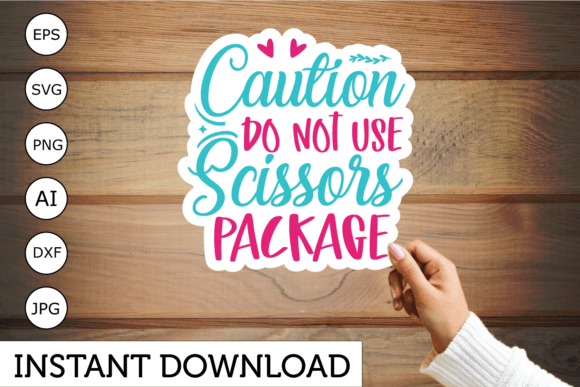
Visually, the design relies on strong geometric shapes typical of warning labels, combined with playful typography. In the context of Crafts and Graphics, this sits comfortably in the "modern quirky" niche. It feels like it belongs on a rustic wooden sign, but translated into thread, it takes on a different character. The layout is balanced, which is the first hurdle cleared for any successful machine embroidery design. If the text were skewed or the icon too small, the message would be lost in the stitching process. Here, the hierarchy is clear: the icon grabs attention, and the text delivers the punchline.
Real-World Application: Where Does This Design Shine?
I put Caution Do Not Use Scissors Package Stic through its paces by imagining it on various substrates. The versatility here is surprising. Let’s look at where it fits best in a craft business lineup.
- Custom Apparel and Sweatshirts: Imagine this centered on the back of a heavyweight crewneck sweatshirt or the chest of a vintage-wash t-shirt. The bold nature of the design works well against the texture of cotton blends. It adds an instant streetwear vibe to custom apparel.
- Tote Bags and Market Totes: This is perhaps the strongest use case. A canvas tote bag embroidered with Caution Do Not Use Scissors Package Stic becomes a conversation starter. It signals that the user is part of the maker community. For an Etsy seller, this is a high-converting item because it appeals directly to the target demographic—people who buy bags, make things, and appreciate dry humor.
- Kitchen and Home Goods: Don’t overlook tea towels and aprons. Placing this on a linen kitchen towel adds a touch of whimsy to the home. It’s a perfect personalized gift for someone who loves baking or crafting. The irony of a "do not use scissors" warning on a tool-heavy environment like a kitchen makes it memorable.
- Baby Items and Nursery Decor: While the language is mild, the concept translates well to baby onesies or burp cloths for parents who work from home. It’s a funny nod to the chaos of parenting and working simultaneously.
In terms of commercial embroidery, this design has broad appeal. It doesn’t alienate anyone, yet it stands out enough to be branded. When you create a printable mockup for your shop, this design photographs exceptionally well because the contrast between the warning colors (usually yellows, blacks, and whites) and natural fabrics creates a striking image.
Performance on Specific Fabrics and Techniques
When evaluating an embroidery file, we must talk about execution. Caution Do Not Use Scissors Package Stic appears to utilize a mix of satin stitch for outlines and fill stitch for background elements. This combination is generally safe for most machines, provided the stitch density is managed correctly.
If you are planning to use this on a tote bag design project, ensure you are using a cut-away stabilizer. Canvas can be thick, and if the backing isn't secure, the tension will wobble. For lighter fabrics like aprons made of thin cotton, a tear-away might suffice, but always test first. The design’s reliance on clean lines means that if the thread colors clash with the fabric, the "warning" aesthetic gets lost. Black thread on dark denim won’t pop, whereas white thread on black twill will scream for attention.
Where to Exercise Caution
No design is perfect for every scenario. As a reviewer, I need to highlight where Caution Do Not Use Scissors Package Stic might struggle.
- Small Hoop Sizes: If you are trying to fit this into a 4x4 inch hoop, you may lose detail. The text needs room to breathe. Rushing the sizing can lead to cramped lettering that looks messy rather than intentional.
- Textured and Stretchy Fabrics: Avoid placing this on ribbed knit cuffs or highly textured bouclé fabrics unless you are an advanced digitizer who knows how to adjust for fabric distortion. On stretchy materials, the running stitch details might pucker if the underlay isn't optimized.
- Dense Stitch Areas: If the design includes heavy fill stitches, be mindful of stiffness. On a sweatshirt embroidery project, a large dense block can feel uncomfortable against the skin. Consider reducing the density or switching to a lighter fill technique for better drape.
- Curved Surfaces: Applying this to a cap or hat requires careful hooping. Flat designs don't always translate smoothly to curved brims without warping.
Practical Designer Notes for Execution
Before you hit "start" on your machine, follow these professional tips to ensure your finished product looks store-quality.
Test on Scrap Fabric: Never assume the file will run perfectly. Run a test version on the exact fabric you plan to sell. Check for thread breaks, tension issues, and color accuracy.
Check Thread Contrast: The mood of Caution Do Not Use Scissors Package Stic depends heavily on contrast. High-contrast threads (like bright yellow on navy blue) enhance the "warning" theme. Low-contrast threads can make the design look muddy and unprofessional.
Review Stitch Density: If the design feels too stiff after stitching, consider trimming excess backing or using a water-soluble topping for stability during the satin stitches.
Confirm Licensing: Since this is a digital embroidery file, verify the license terms before selling finished items. Some files allow commercial use, while others are strictly for personal gifts. Assuming rights can lead to legal headaches down the road.
Final Verdict
Caution Do Not Use Scissors Package Stic is more than just a novelty sticker transferred to thread. It is a smart, versatile asset for any small shop product line. It resonates with makers, adds value to handmade products, and provides a unique selling point for Etsy sellers looking to diversify their inventory.
Whether you are creating a holiday embroidery collection, adding a fun accent to a baby embroidery order, or branding your own boutique merchandise, this design holds up. It is clean, readable, and emotionally engaging. Just remember to respect the fabric, manage your stabilizers, and always prioritize quality control. When executed well, this file transforms from a simple graphic into a tangible piece of art that customers will want to wear, carry, and display.