Grand Slam Embroidery Review
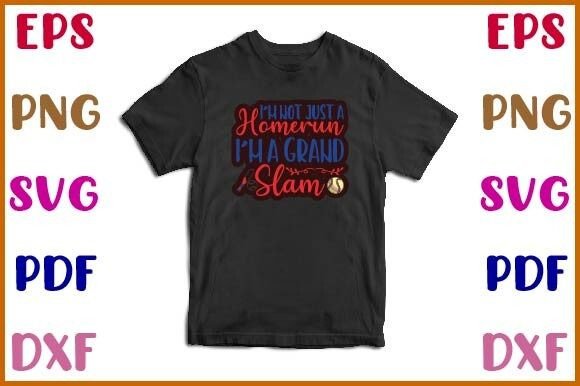
When I look at a new embroidery file before committing it to a client project or my own shop inventory, I am looking for more than just a cute phrase. I am looking for structural integrity, visual balance, and market viability. The design titled I m Not Just a Homerun I m a Grand Slam falls into the Crafts and Graphics categories, specifically targeting those who deal in digital assets like SVGs and DXFs for cutting and stitching. After reviewing the visual personality of this piece and simulating its application across various textiles, here is my practical assessment for designers, Etsy sellers, and handmade product creators.
First Impressions and Visual Personality
The immediate mood of I m Not Just a Homerun I m a Grand Slam is confident, playful, and slightly boastful in a way that resonates well with sports-themed merchandising. It is not subtle; it is a statement piece. For an embroidery designer, this clarity is valuable because it translates easily into stitch work. The layout suggests a strong typographic focus, which means the success of the final finished product will depend heavily on font legibility and spacing.
In terms of aesthetic appeal, the design feels suited for casual wear rather than formal attire. It brings energy to a garment. When I imagine this stitched onto a cotton twill cap or a heavy fleece sweatshirt, the bold nature of the text commands attention. It creates a sense of fun that appeals to parents buying for children, team managers ordering for squads, or individuals who want to express a competitive spirit through their wardrobe. The "grand slam" theme implies victory and excellence, which adds a layer of emotional value to the handmade product.
Real-World Application Scenarios
To truly understand how this design performs, we have to move beyond the screen and think about the needle and thread. Here is how I m Not Just a Homerun I m a Grand Slam fits into specific embroidery projects:
- Custom Apparel: This is perhaps the strongest use case. On a white or light grey t-shirt, the design would pop if paired with contrasting thread colors. It works equally well as a chest logo on a polo shirt for a softball league or a back-print graphic on a hoodie for a casual streetwear look.
- Baby Embroidery: There is a growing market for personalized baby gifts. While the phrase is bold, it can be scaled down effectively for onesies or burp cloths. However, the tone must be considered; it works best for older toddlers or as a humorous gift for sports-loving parents rather than newborns.
- Tote Bag Design: A canvas tote bag offers a large, flat surface area. Stitching this design centrally or off-center on a durable canvas bag creates a functional commercial embroidery item that customers are likely to carry around, providing free branding exposure.
- Holiday Embroidery: During summer months or around baseball season events (like the World Series), this design becomes highly relevant. It serves as a timely personalized gift that feels current and thoughtful.
- Embroidered Patch: If you plan to sell patches, this design’s self-contained nature makes it ideal. You can add a border, stabilize it properly, and offer it as an accessory for backpacks, denim jackets, or hats.
Technical Considerations and Stitch Performance
As a reviewer, I must address the technical execution. Since the source files include formats like AI, SVG, EPS, DXF, JPEG, and PNG, it is crucial to remember that these are vector or raster graphics that need to be digitized or converted for machine embroidery. The quality of the final stitch-out depends entirely on how well the stitch density is managed during this conversion process.
Text-based designs like I m Not Just a Homerun I m a Grand Slam rely on clean lines. If the digitization is poor, the letters may pucker or lose definition. I recommend checking the following before production:
- Stitch Density: Ensure the text is not too dense, which can cause fabric distortion, nor too sparse, which can lead to thread breaks. A balanced approach using a combination of satin stitch for outlines and fill stitch for solid areas is often effective.
- Hoop Size: Verify that the design dimensions fit comfortably within your standard hoop sizes. Oversized text can require multiple hooping or larger commercial machines, which increases labor time.
- Thread Contrast: Test the design against your intended fabric color. Dark fabrics may require underlay stitches to make the text stand out, while light fabrics allow for simpler threading options.
Where to Use Carefully
Not every surface is suitable for this level of graphic impact. There are specific scenarios where I m Not Just a Homerun I m a Grand Slam might struggle:
- Small Hoop Sizes: Attempting to fit this entire phrase into a very small hoop (such as 4x4 inches) may result in cramped lettering that is difficult to read. Scale carefully.
- Textured Fabrics: Bouclé, heavy knits, or loosely woven linens can hide the details of the text. The uneven surface may cause the running stitch or satin stitch to look jagged.
- Curved Surfaces: While caps are common, placing long horizontal text on a curved brim or front panel requires advanced technique. Without proper stabilization and curvature mapping, the text may distort.
- Dense Stitch Areas: If the design includes large blocks of fill stitch, ensure the fabric has enough body to support it. Thin fabrics may show puckering from the tension of the threads.
Impact on Brand and Customer Trust
For small business owners and craft business operators, the professionalism of the design directly impacts customer trust. A clean, well-executed embroidery project signals quality. When a customer sees I m Not Just a Homerun I m a Grand Slam stitched neatly on a high-quality garment, they perceive value. Conversely, sloppy stitching or poor alignment can undermine the brand, regardless of the product's price point.
This design also enhances brand consistency if used across a collection. Imagine a line of matching family outfits or team merchandise featuring this consistent graphic style. It creates a cohesive look that is recognizable and appealing. Furthermore, the humor and confidence in the phrase encourage social sharing. Customers are more likely to post photos of their custom apparel online if the design is witty and visually striking, providing organic marketing for your shop.
Practical Designer Notes
Before adding this to your library or selling finished items, keep these tips in mind:
- Test on Scrap Fabric: Always run a test stitch on the actual fabric you intend to use. This reveals issues with tension, stabilizer choice, or thread compatibility.
- Check Licensing: Since this is sold as a digital asset, verify the license terms. Ensure you are permitted to sell finished products made from this design, especially for commercial embroidery purposes.
- Use Proper Stabilizer: The choice of stabilizer (cut-away vs. tear-away) is critical for text designs. Cut-away stabilizers are generally safer for stretchy fabrics or garments that will undergo frequent washing.
- Black and White Mockups: View the design in grayscale to check contrast levels. This helps predict how the thread colors will interact with the fabric.
In conclusion, I m Not Just a Homerun I m a Grand Slam is a versatile, high-energy design that fits well into the sports and lifestyle niches. With careful attention to digitization quality and fabric selection, it can serve as a profitable addition to any digital product seller’s catalog or a standout item in a physical boutique. It offers the perfect blend of humor and style that modern crafters and consumers appreciate.