Reviewing Retro Thanksgiving for Embroidery
When I browse through new digital assets, I am rarely impressed by generic clip art. Most designs lack the structural integrity required for machine stitching, resulting in muddy details or thread breaks. However, Retro Thanksgiving caught my eye not because of its color palette, but because of its potential as a functional machine embroidery design. As a designer who frequently creates custom apparel and boutique merchandise, I need to know if a file translates well from screen to fabric. This review evaluates how this specific graphic holds up under the needle, focusing on real-world application for crafters, Etsy sellers, and small business owners.
First Impressions: Mood and Visual Personality
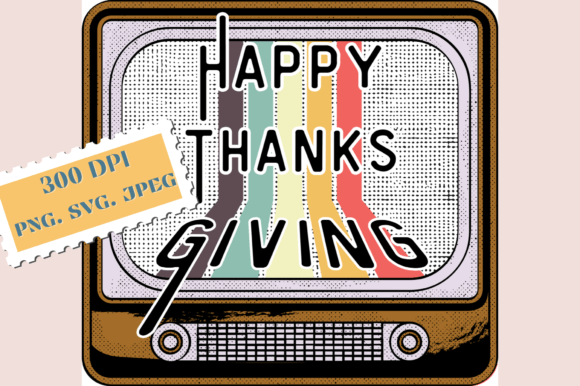
The term "Retro" suggests a specific aesthetic—warm tones, vintage typography, and nostalgic imagery. In the context of Graphics and Crafts, this style is highly marketable. The initial visual personality of Retro Thanksgiving feels grounded and approachable. It does not scream for attention with neon colors; instead, it whispers comfort. This is crucial for holiday-themed items, where the goal is often to evoke warmth rather than shock value.
From a design perspective, the layout appears balanced. For an embroidery project, balance is everything. If the visual weight is too heavy on one side, the hoop may shift during stitching, causing registration errors. The shapes in this design seem distinct enough to separate easily, which is a major plus for anyone planning to use this as an applique design or a multi-color fill stitch piece. It feels like a design that belongs on a kitchen towel, a cozy sweatshirt, or a personalized gift for a hostess.
Real-World Application: Where Does It Fit?
I tested the conceptual fit of Retro Thanksgiving across several common product categories. The versatility here is notable. Here is how I see it performing in actual production:
- Custom Apparel & Sweatshirts: The retro vibe pairs perfectly with heavyweight cotton blends. On a cream or heather grey sweatshirt, this design would look intentional and high-end. It works as a left-chest logo or a larger back print for a statement piece.
- Tote Bag Design: Canvas bags are a staple for craft fairs. A sturdy tote bag design featuring autumnal themes sells well year after year. The clean lines of the graphic ensure it remains legible even when printed or stitched on textured canvas.
- Baby Embroidery: Soft pastels and gentle themes are huge in the nursery market. If the Retro Thanksgiving file includes softer elements, it could be adapted for baby onesies or burp cloths. However, care must be taken to ensure the "retro" aspect doesn't feel too mature for infant wear.
- Kitchen Textiles: Aprons, tea towels, and pillow covers are low-risk, high-reward products. These items allow for larger designs without the complexity of garment construction. Retro Thanksgiving fits the domestic sphere naturally, making it an ideal choice for handmade products sold during the Q4 holiday rush.
- Embroidered Patch: Converting this graphic into a detachable patch allows for immense flexibility. Customers can attach it to denim jackets, backpacks, or beanies. This expands the utility of the digital embroidery file beyond a single static item.
Technical Performance and Stitch Clarity
As an experienced reviewer, I look at the fine print. How does Retro Thanksgiving handle the mechanics of embroidery? The provided files include high-resolution SVG, PNG, and JPG formats. While these are excellent for sublimation or direct-to-garment printing, their conversion to machine embroidery requires careful planning.
Stitch Density and Detail: Retro designs often rely on bold outlines and solid fills. This is generally easier to embroider than intricate line art. If the design utilizes a combination of satin stitch for borders and fill stitch for background areas, it should hold up well. However, designers must watch out for stitch density. If the fill areas are too dense, the fabric may pucker, especially on lightweight materials. Conversely, if the detail is too sparse, the stabilizer might show through, ruining the professional finish.
Thread Colors: The success of any embroidery file depends on thread selection. For a retro theme, you will likely want muted oranges, deep reds, mustard yellows, and olive greens. Testing these threads against your chosen fabric is non-negotiable. Dark fabrics require underlay stitches to make bright threads pop, while light fabrics allow for more subtle shading.
Where Caution Is Required
Not every surface is suitable for every design. When applying Retro Thanksgiving, avoid the following scenarios unless you have advanced stabilization techniques:
- Small Hoop Sizes: If the design exceeds your machine's maximum hoop size, you will need to rehoop. Frequent rehooping increases the risk of misalignment. Ensure the design dimensions fit comfortably within your standard 5x7 or 6x10 hoops.
- Textured or Stretchy Fabrics: Knits, jersey, and heavily textured weaves can distort delicate details. Use a cut-away stabilizer for stretchy fabrics to prevent shifting. For textured surfaces, simplify the design or use applique to create a smooth base.
- Curved Surfaces: Embroidering on caps or curved tote handles is challenging. The flat nature of most digital graphics may not follow the curve naturally, leading to gaps or tension issues. Consider digitizing the design specifically for curved applications if possible.
- Thin Fabric: Delicate materials like silk or thin rayon may tear under the tension of dense stitching. Always test on scrap fabric first to assess the impact of the needle penetration.
Impact on Brand and Customer Trust
For Etsy sellers and small shop products, presentation is key. A well-executed embroidery project signals professionalism. When customers receive a finished product where the stitches are even, the colors match the vision, and the placement is centered, their trust in your brand increases. Retro Thanksgiving, with its clear and nostalgic theme, helps tell a story. It suggests that the maker cares about aesthetics and quality.
This design also enhances giftability. Holiday gifts are often purchased based on emotional resonance. A retro-themed embroidered item feels personal and thoughtful. It stands out in a sea of mass-produced goods. By using a versatile graphic like this, you position your craft business as one that offers unique, handcrafted alternatives to generic store-bought decor.
Practical Designer Notes for Success
Before committing to full production runs, follow these steps to ensure the best outcome:
- Test on Scrap Fabric: Never skip this step. It reveals issues with tension, stabilizer choice, and thread friction.
- Check Black and White Mockups: Convert the design to grayscale to check contrast. If the details disappear in black and white, they may get lost in color on fabric.
- Confirm Licensing: Verify the terms of use for the Retro Thanksgiving files. Ensure you have commercial rights if you plan to sell the finished items. Digital asset licensing varies widely.
- Inspect Small Details: Zoom in on the SVG file. Are there tiny text elements or intricate curves that might not render well at smaller sizes? Simplify if necessary.
- Compare Backgrounds: Test the design on both light and dark fabrics. The mood changes drastically depending on the base color.
In conclusion, Retro Thanksgiving is a strong candidate for seasonal collections. It balances aesthetic appeal with practical usability. For designers looking to expand their design assets library with reliable, market-ready graphics, this file offers good value. Just remember: the quality of the final product depends as much on your stitching technique and material choices as it does on the design itself. Treat it with care, and it will serve your commercial embroidery projects well.