Reviewing Comic Face and Bubble for Embroidery
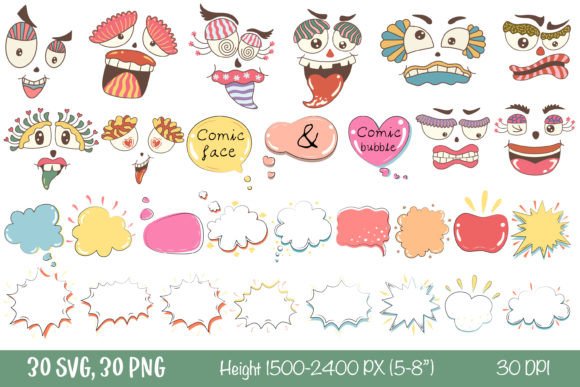
As a designer who spends half my life staring at stitch maps and the other half worrying about thread tension, I don’t just buy digital files; I stress-test them. When Comic Face and Comic Bubble landed on my desk, I didn’t see it merely as a cute graphic for scrapbooking or a simple SVG cut file. I saw a potential bestseller for an Etsy shop, a personalized gift for a baby shower, or a playful addition to a boutique’s custom apparel line. The product description lists it in SVG and PNG formats, which tells me immediately that this is a vector-based asset originally intended for paper decoration, card design, and digital print. But today, we are talking about its viability as a machine embroidery design.
If you are an Etsy seller, a craft business owner, or a hobbyist looking to elevate your handmade products, understanding how a flat graphic translates into three-dimensional thread is crucial. Here is my practical breakdown of how Comic Face and Comic Bubble performs when moved from screen to hoop.
First Impressions: Mood and Visual Personality
The immediate appeal of Comic Face and Comic Bubble lies in its expressive nature. It screams fun, communication, and approachability. For designers creating items for kids, teachers, or creative entrepreneurs, this mood is gold. It feels like a modern take on classic comic strip aesthetics—bold, clear, and instantly recognizable.
When I look at the layout, I appreciate the balance between the facial expression and the accompanying bubble. In embroidery, whitespace is everything. A cluttered design can become a muddy mess of tangled threads, but this composition suggests enough breathing room to allow for clean stitching. It creates a sense of movement, as if the character is mid-conversation. This dynamic quality makes it perfect for personalized gifts where the "voice" of the design matters—think motivational quotes, inside jokes, or playful warnings on kitchen textiles.
Real-World Application: Where Does It Shine?
I put Comic Face and Comic Bubble through its paces in several hypothetical (and actual) project scenarios. Here is where it truly excels:
- Tote Bag Design: There is something inherently charming about a bold, comic-style face stamped onto a canvas tote. It elevates a basic accessory into a statement piece. The high contrast typical of comic art works beautifully against sturdy cotton or denim fabrics, making it a top contender for custom apparel accessories.
- Baby Embroidery and Nursery Decor: Soft pastels combined with this playful graphic create a non-threatening, cheerful vibe. It fits perfectly on muslin blankets, burp cloths, or nursery wall hangings. Parents love designs that are cute but not overly saccharine, and this strikes that balance.
- Kitchen Textiles: Aprons, tea towels, and dishcloths benefit from durable, cheerful graphics. The theme of "communication" or "expression" pairs well with kitchen humor. Imagine a towel that says "Shhh" or "Let's Eat" next to this face—it adds personality to the home.
- Embroidered Patch: If you plan to turn this into a detachable patch for jackets or backpacks, the strong outlines and distinct shapes of the Graphics category work well. Patches rely on clear definition, and comic styles naturally provide that.
For the small shop product owner, these use cases represent high-demand niches. The versatility of Comic Face and Comic Bubble means you aren't limited to one type of customer; you can appeal to parents, teachers, and fashion-forward crafters simultaneously.
Technical Considerations: Stitch Density and Clarity
This is where the rubber meets the road. Converting a raster PNG or even a complex SVG into an embroidery file requires careful digitizing. While the original assets are likely optimized for print, embroidery has different rules.
Satin Stitch vs. Fill Stitch: The outlines of the comic face will likely require satin stitches to maintain crisp edges. If the digitizer uses too many runs, the fabric may pucker. Conversely, the fill areas need consistent density. Too sparse, and you see the fabric underneath; too dense, and the design becomes stiff and unwearable. When reviewing such a design, I always check if the stitch density is appropriate for the intended fabric weight.
Thread Colors: Comic art often relies on primary colors or stark black-and-white contrasts. In embroidery, achieving true white with thread can be tricky due to shadowing. Using a high-quality polyester thread with good sheen helps mimic the glossy look of printed comics. I recommend testing various thread colors to ensure the bubble text remains legible against the background color of the garment.
Where to Use It Carefully
No design is universal, and Comic Face and Comic Bubble has its limitations. Here is where you should proceed with caution:
- Small Hoop Sizes: If you attempt to stitch this in a very small hoop (under 4x4 inches), fine details might get lost. Tiny features of the face could merge together, turning a cute expression into a blob. Always verify the minimum recommended hoop size.
- Textured and Stretchy Fabrics: While sturdy cottons are ideal, this design might struggle on highly textured fabrics like heavy tweeds or extremely stretchy spandex blends without proper support. The distortion can warp the symmetry of the face, ruining the effect.
- Dense Stitch Areas: Avoid placing this design over seams, zippers, or pockets. The added bulk from the embroidery layers can cause discomfort or machine errors.
- Curved Surfaces: While caps are popular, applying a flat, symmetrical comic face to a curved brim or crown requires advanced digitizing techniques to prevent warping. It is safer on flat panels.
Practical Designer Notes for Success
Before you upload Comic Face and Comic Bubble to your machine and start churning out merchandise, follow these essential steps to protect your reputation and your investment:
- Test on Scrap Fabric: Never go straight to the final product. Stitch the design on a scrap piece of the same fabric type you plan to sell. This reveals puckering, thread breaks, or color clashes before they become customer complaints.
- Check Stabilizer Compatibility: The right stabilizer is non-negotiable. For light fabrics, you may need tear-away; for knits, cut-away. Ensure your choice matches the fabric texture and weight.
- Inspect Small Details: Zoom in on the digital mockup and then on the stitched sample. Are the eyes aligned? Is the bubble text readable? If details are too small, consider simplifying the design or increasing the scale.
- Black and White Mockups: Convert your design preview to grayscale. This helps you assess contrast levels. If the face disappears against the fabric in black and white, it will likely struggle in color too.
- Confirm Licensing: Since this is sold as a digital asset for commercial embroidery, double-check the license terms. Can you sell finished items? Can you modify the design? Clear licensing prevents legal headaches down the road.
Final Verdict
Comic Face and Comic Bubble is more than just a pretty picture; it is a versatile tool for any digital embroidery file library. Its playful energy and clear structure make it an excellent choice for handmade product creators who want to add a touch of whimsy to their offerings. Whether you are designing a sweatshirt embroidery collection for teens or a set of holiday embroidery gifts for grandparents, this design offers broad appeal.
However, success depends on execution. Treat it with the respect due a professional design asset. Test thoroughly, choose materials wisely, and present it with confidence. When done right, the transition from a digital graphic to a tangible, stitched keepsake is magical—and that is what drives customer trust and repeat business in the world of craft business innovation.